Copyright © 2026 WasteFlex Pty Ltd. All rights reserved.
multi-stream recycling management system for commercial facilities improving material efficiency

Waste Recycling

Recycling plays a critical role in reducing landfill, lowering waste costs and improving environmental performance across business operations. However, without the right structure, recycling programs can become inconsistent, contaminated and underutilised.

WasteFlex delivers waste recycling services across Australia, helping organisations manage multiple recycling streams under one coordinated model. Rather than treating recycling as a single service, each material stream is handled based on its specific requirements — improving recovery rates, reducing contamination and supporting better outcomes.

This structured approach allows businesses to implement business recycling solutions across multiple sites, with consistent service delivery and measurable performance improvements.

What Is Waste Recycling?

Waste recycling is the process of collecting, sorting and reprocessing materials that would otherwise be discarded as waste. Common recyclable materials generated by businesses include paper, cardboard, plastics, metals, glass, electronic waste and organic materials. Effective recycling programs help divert waste from landfill, conserve natural resources and support circular economy outcomes through the recovery and reuse of valuable materials.
Recycling Streams We Manage

Different materials require different handling, collection and processing methods. WasteFlex supports a range of recycling streams, each designed to maximise recovery and minimise contamination.

High-volume cardboard recycling and paper solutions for offices, retail, logistics and industrial environments

Dedicated plastic recycling services for both rigid and soft plastics, including high-volume packaging materials such as pallet wrap and shrink wrap.

Collection of mixed recyclables including plastics, glass and aluminium. Suitable for everyday business operations where multiple recyclable materials are generated.

Safe and compliant recycling of electronic waste and batteries, supporting environmental compliance and responsible disposal of hazardous components.

Food and organic waste solutions that divert material away from landfill and support sustainability initiatives.

Why Recycling Matters for Businesses?

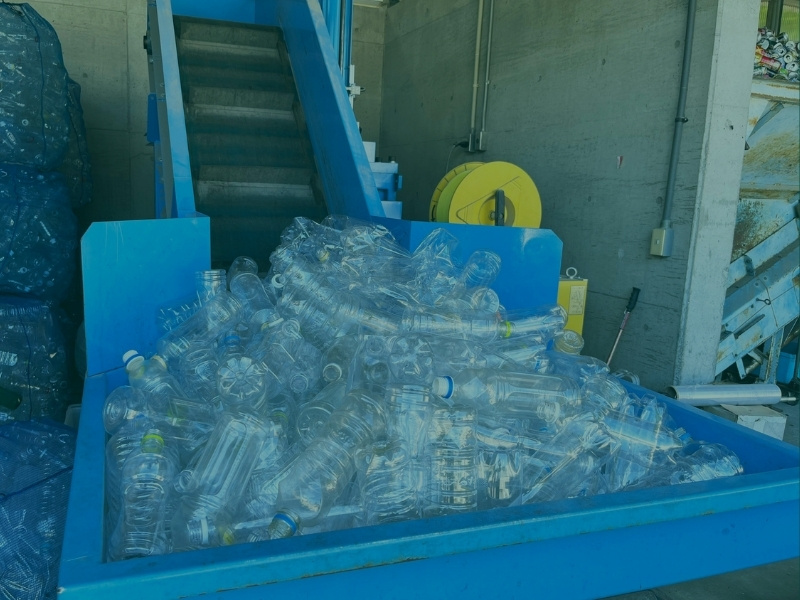
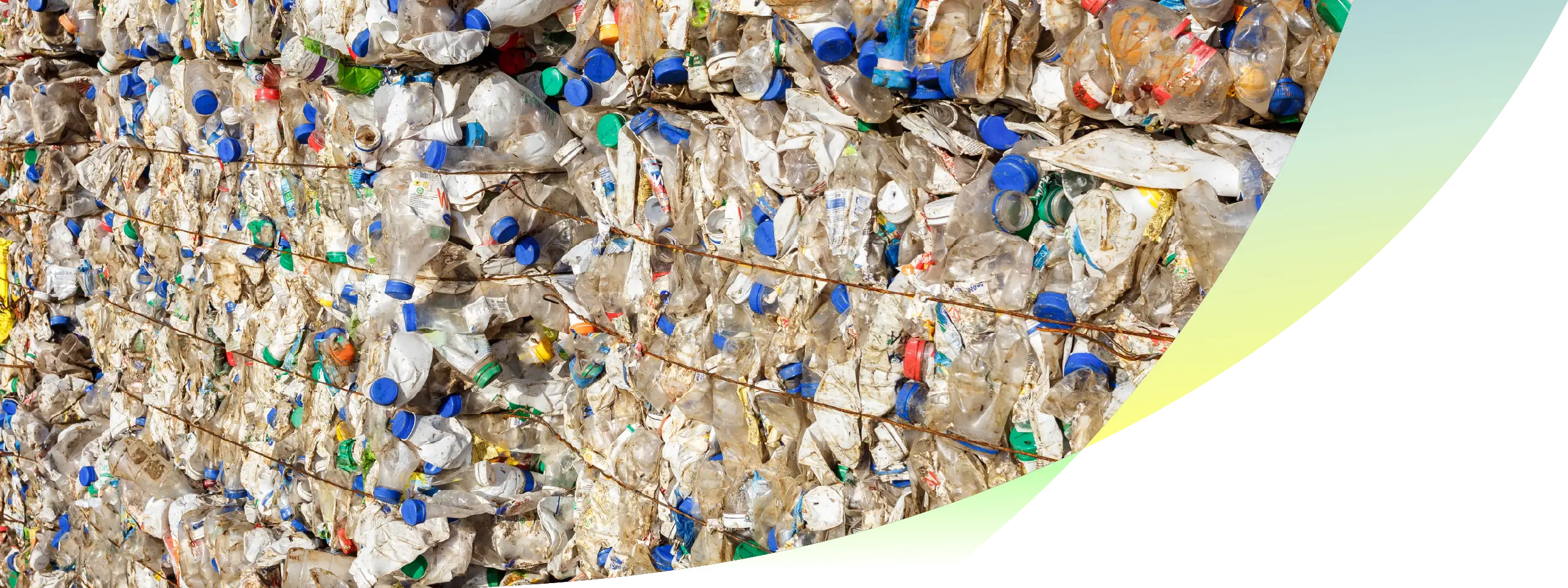
Wasteflex commercial plastic recycling facility supporting bottle recovery, resource recycling and sustainable waste management for businesses.

Recycling is not just about environmental responsibility. It directly impacts operational efficiency and cost control.

Without structured waste recycling services, recyclable materials often end up in landfill, increasing disposal costs and reducing recovery performance. Poor systems can also lead to contamination, making materials unrecoverable.

A well-managed recycling program helps businesses:

  • Reduce landfill volumes and disposal costs
  • Improve resource recovery and recycling rates
  • Support ESG and sustainability reporting
  • Maintain cleaner and more efficient sites
  • Demonstrate environmental responsibility to stakeholders

Managing Multiple Recycling Streams, Made Simple

Many organisations generate multiple recyclable materials across their operations. Managing these streams separately can create unnecessary complexity. This approach improves control, reduces admin and ensures each stream is managed effectively.

WasteFlex simplifies multi-stream recycling by bringing all recycling services into one coordinated system, including:

Wasteflex centralised contractor management icon representing coordinated waste management services and streamlined waste operations.

Centralised contractor management

Wasteflex consolidated reporting icon representing waste tracking, sustainability reporting and resource recovery insights.

Consolidated reporting across recycling streams

Wasteflex consistent waste management service delivery icon representing standardised waste management across multiple business locations.

Consistent service delivery across sites

Wasteflex single point of accountability icon representing managed waste services and centralised operational support.

One point of accountability

Recycling Across Multiple Locations

For multi-site organisations, consistency is critical. WasteFlex provides scalable business recycling solutions with standardised service delivery across all locations.

This allows businesses to:

  • Implement consistent recycling systems across sites
  • Track recycling performance centrally
  • Identify opportunities to improve diversion
  • Scale recycling programs as operations grow
Wasteflex optimising waste operations to improve cost efficiency, ESG outcomes, and sustainability performance across a national portfolio.

A More Structured Approach to Recycling

Recycling should not be treated as a secondary service. When managed correctly, it becomes a key driver of cost savings, operational efficiency and sustainability performance. By separating recycling into dedicated streams and managing them under one coordinated model, WasteFlex helps businesses achieve better outcomes across all areas of waste management. Explore the recycling streams above to learn more about each service and how WasteFlex can support your operations.

Frequently Asked Questions

Waste recycling is the process of collecting and recovering materials from waste streams so they can be reused, remanufactured, or processed into new products. 

For businesses, recycling usually involves separating suitable materials from general waste so they can be collected and managed through the appropriate recycling stream.

Common business recycling streams can include paper and cardboard, suitable plastics, metals, glass, electronic waste, batteries and certain organic materials. 

Different materials often require separate recycling services because they have different collection, contamination and processing requirements. What can be accepted will depend on the material, service arrangement and location.

Recycling helps businesses reduce landfill disposal, improve sustainability performance, recover valuable resources and support environmental reporting initiatives. 

A well-structured recycling program can also reduce unnecessary general waste volumes, improve operational efficiency and give businesses better visibility over how their waste is being managed.

Separating waste streams reduces contamination, improves recovery rates and increases the amount of material that can be successfully recycled. 

Keeping materials such as paper and cardboard, commingled recyclables, plastics, organics and e-waste in separate streams can reduce contamination and improve recycling outcomes.

After collection, recyclable materials are transported to appropriate sorting and processing facilities, where they are separated into material streams and prepared for recovery. Depending on the material, they may then be processed into raw materials that can be used to manufacture new products. 

The recovery pathway varies by material and facility, but correctly separating recyclables from general waste helps improve recovery opportunities, reduce reliance on raw materials and keep resources in use for longer.

The right recycling streams depend on the types and volumes of materials your business generates. 

For example, a site generating large quantities of cardboard may benefit from a dedicated paper and cardboard service, while workplaces producing mixed containers may require commingled recycling. Other operations may also need separate services for plastics, organics, e-waste or batteries. 

Reviewing the site's waste profile can help identify which streams are worthwhile and where recyclable materials are currently being lost to general waste.

Yes. Different recycling streams can be managed within one coordinated recycling program while remaining separate for collection and processing. 

WasteFlex manages multiple recycling services within a centralised framework, helping businesses coordinate different material streams, service providers and locations without treating each recycling service as an unrelated arrangement.

Businesses can track recycling performance by reviewing information such as recycling volumes, landfill diversion, service activity and contamination or operational issues over time. 

WasteFlex provides consolidated reporting across recycling streams, helping organisations monitor performance across their sites, identify opportunities to improve diversion and adjust their recycling program as requirements change.

Businesses can reduce recycling contamination by identifying where incorrect materials are entering recycling streams and addressing the cause. 

Recurring contamination may indicate that the available recycling streams do not match the waste being generated, or that disposal instructions and the local waste setup need to be reviewed. Monitoring contamination over time can help businesses target problem areas and make practical improvements to the recycling program.

Yes. WasteFlex helps businesses implement and manage recycling programs across Australia, including Victoria, New South Wales, Queensland, South Australia, Western Australia, Tasmania, the ACT and the Northern Territory. 

National coordination helps create consistency across sites while improving visibility into recycling performance and resource recovery outcomes.

TOP