Copyright © 2026 WasteFlex Pty Ltd. All rights reserved.
Wasteflex managed medical waste management solutions for clinical waste, sharps containers and healthcare waste compliance.

Medical Waste Management 

Medical and clinical waste requires strict handling, storage and disposal processes to protect people, facilities and the environment. Unlike general waste, these materials may pose infection risks or require specialised treatment before disposal.

Medical waste management services ensure that clinical waste is handled in accordance with regulatory requirements, with clear processes from collection through to final treatment and disposal.

WasteFlex coordinates healthcare waste disposal solutions that prioritise safety, compliance and consistency across all sites.
Wasteflex managed medical waste solutions for sharps disposal, PPE waste and regulated clinical waste handling in healthcare facilities.

What Is Considered Medical Waste?

Medical waste includes any waste generated from healthcare activities that may be infectious, hazardous or regulated.

Common types of clinical waste include:

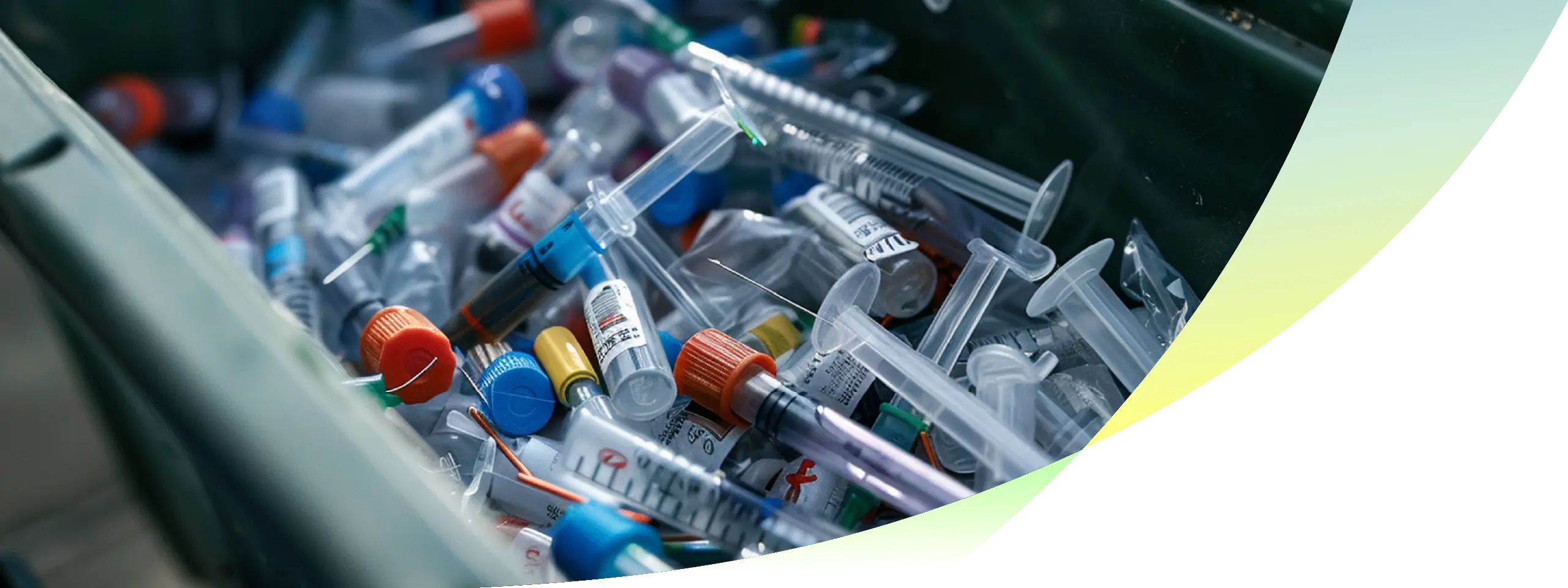
  • Sharps such as needles and syringes
  • Biohazard waste including contaminated materials
  • Pathological waste
  • Pharmaceutical waste
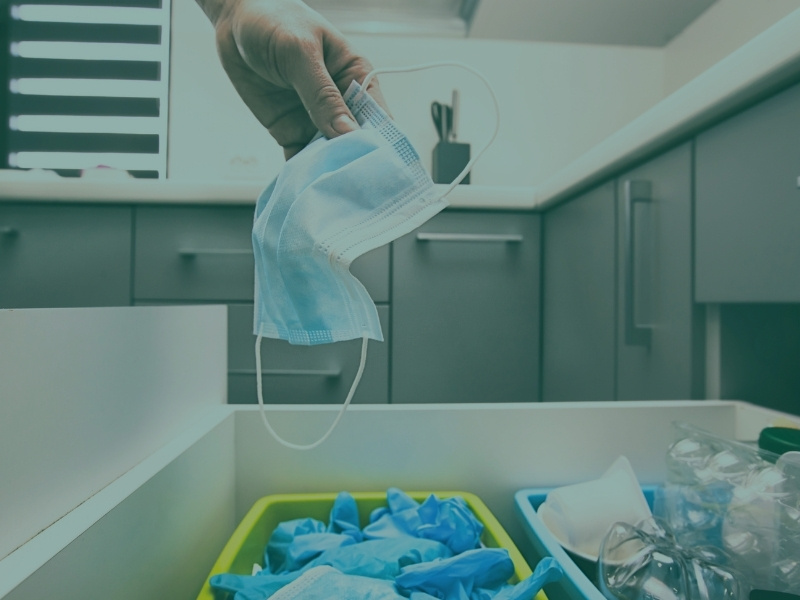
  • Personal protective equipment and clinical consumables

Each waste type requires specific handling and disposal methods to ensure safe processing.

Why Medical Waste Requires Controlled Handling

Medical waste cannot be disposed of through general waste or standard recycling streams. Improper handling can lead to safety risks, regulatory breaches and environmental harm.

A structured clinical waste management approach allows organisations to:

  • Protect staff, patients and the public
  • Maintain compliance with healthcare regulations
  • Reduce risk of contamination or infection
  • Ensure safe transport and treatment of waste
  • Maintain clear audit and reporting processes

Healthcare waste compliance is essential for all facilities generating clinical waste.

Challenges in Medical Waste Management

Wasteflex centralised contractor management icon representing coordinated waste management services and streamlined waste operations.

Strict Regulatory Requirements

Healthcare providers must comply with specific regulations governing the handling, storage and disposal of medical waste.

Wasteflex consistent waste management service delivery icon representing standardised waste management across multiple business locations.

Risk of Contamination

Improper segregation or handling can increase the risk of exposure to infectious materials.

Wasteflex consolidated reporting icon representing waste tracking, sustainability reporting and resource recovery insights.

Storage and Segregation

Different types of clinical waste must be stored separately using appropriate containers.

Wasteflex single point of accountability icon representing managed waste services and centralised operational support.

Collection and Treatment

Medical waste requires specialised collection and treatment processes, often involving licensed facilities.

Wasteflex waste tracking and reporting icon representing service visibility across managed waste programs.

Multi-Site Consistency

Organisations operating across multiple locations must ensure consistent processes and compliance standards.

How WasteFlex Supports Medical Waste Management

Medical waste requires precision, reliability and strict adherence to compliance standards. WasteFlex supports healthcare providers by:

Coordinating Clinical Waste Collection

Clinical waste collection services are arranged through licensed providers to ensure safe transport and treatment.

Wasteflex cost control and waste reporting icon representing consolidated waste analytics, recycling visibility and commercial waste management insights.

Providing Appropriate Medical Waste Bins

Medical waste bins and sharps containers are selected based on waste type and site requirements.

Wasteflex managed medical waste bin solutions for sharps containers, clinical waste segregation and compliant healthcare waste handling.

Managing Sharps and Biohazard Waste

Sharps disposal services and biohazard waste disposal are handled with controlled processes to minimise risk.

Wasteflex medical waste management icon representing clinical waste, sharps management and healthcare compliance support.

Ensuring Compliance and Documentation

Healthcare waste compliance is supported through proper tracking, reporting and documentation.

Wasteflex managed healthcare waste compliance solutions supporting clinical waste tracking, reporting and regulatory documentation.

Supporting Multi-Site Operations

Multi-site medical waste management ensures consistent service delivery and oversight across all locations.

Wasteflex multi-site icon representing centralised coordination, consistent disposal and national service management.

Industries That Generate Medical Waste

Medical waste is generated across a range of healthcare and related environments.

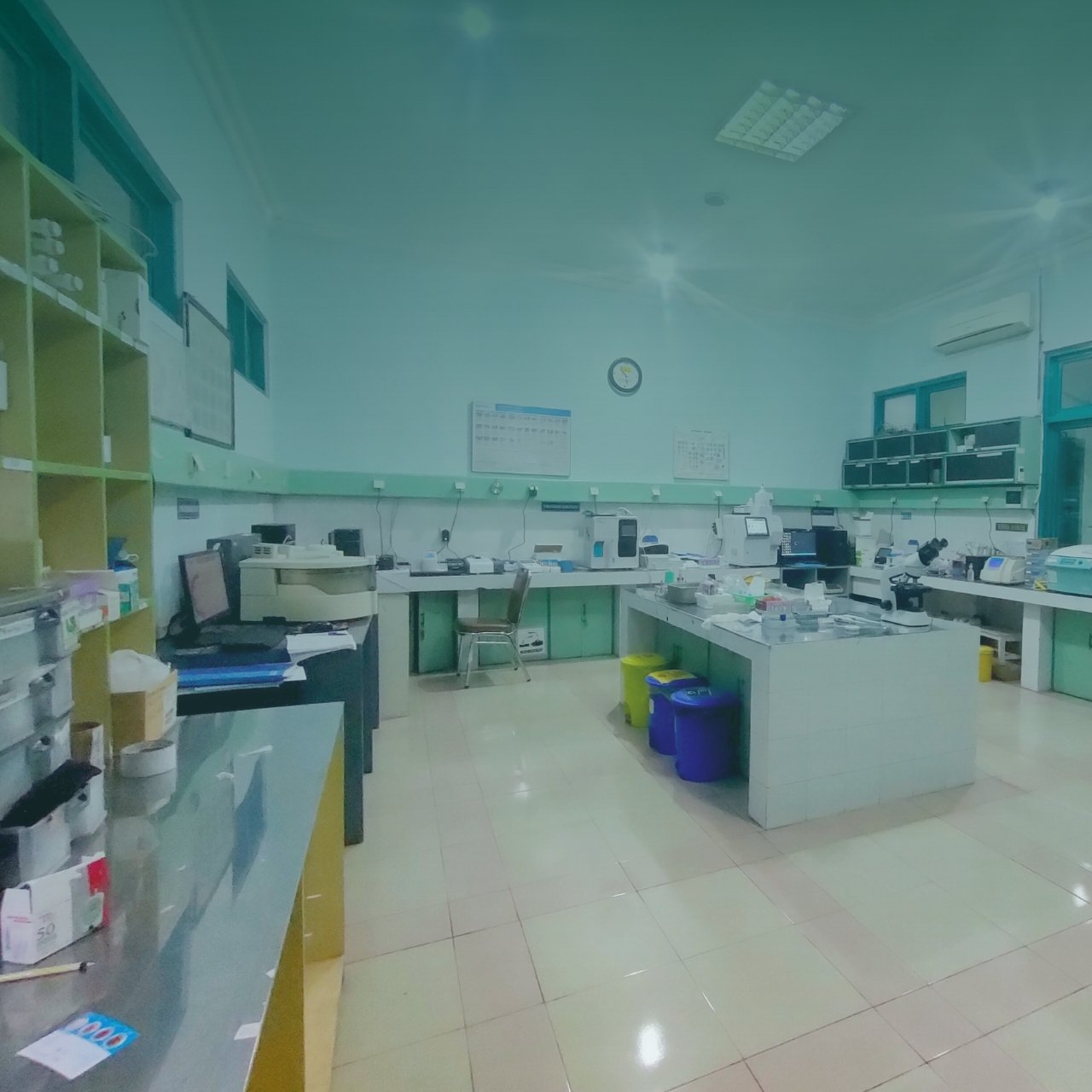
Procedures generate regulated clinical waste requiring safe disposal.

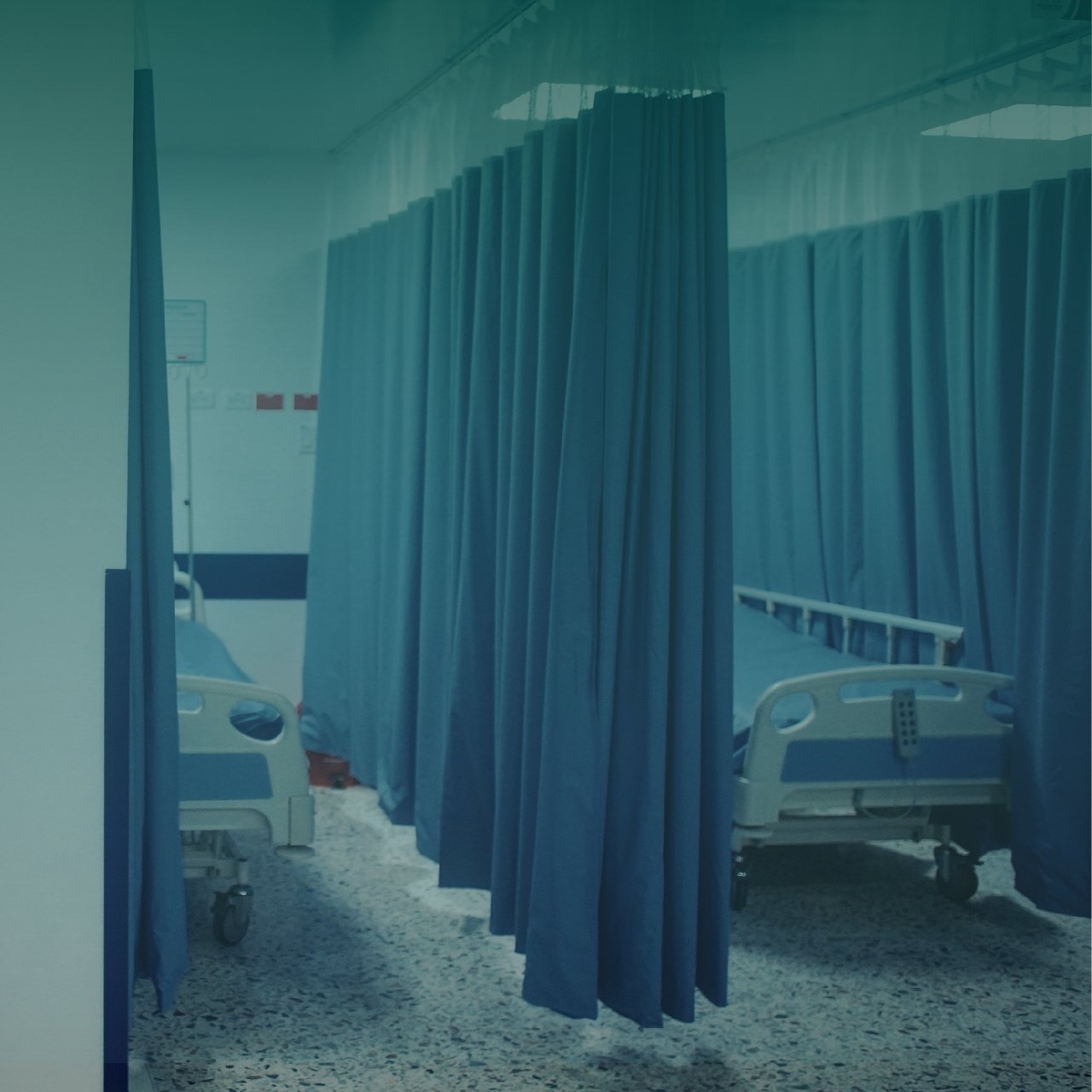
Clinical waste is produced through ongoing care and medical support services.

Testing and research activities produce specialised medical waste streams.

General practices and specialist clinics generate sharps and biohazard waste.

High volumes of clinical waste are generated through patient care and medical procedures.

Managing Clinical Waste Safely

Effective medical waste management relies on clear processes and consistent execution.
Businesses and healthcare providers can improve their systems by:

  • Segregating waste at the source
  • Using appropriate containers for each waste type
  • Scheduling regular clinical waste collection
  • Training staff on correct handling procedures
  • Maintaining compliance records and documentation

These measures help ensure safety, compliance and operational efficiency.

Wasteflex optimising waste operations to improve cost efficiency, ESG outcomes, and sustainability performance across a national portfolio.

Supporting Safe and Compliant Healthcare Operations

Medical waste management is a critical part of healthcare operations. It requires a controlled, consistent approach to ensure safety and regulatory compliance at every stage.
By implementing structured medical waste disposal processes, organisations can reduce risk, protect people and maintain full visibility over their waste streams.
If your organisation generates clinical waste, reviewing your current processes can help strengthen compliance and improve overall waste management outcomes.

Frequently Asked Questions

Medical or clinical waste generally refers to waste from healthcare activities that cannot be managed as ordinary general waste because it requires a specific handling, treatment or disposal pathway. 

This may include contaminated clinical materials, sharps, pathological waste and other regulated healthcare waste. Pharmaceutical waste can also require separate management. What is classified as medical or clinical waste, and how it must be managed, can vary between jurisdictions and waste types.

Pharmaceutical waste includes medicines and pharmaceutical products that are expired, unused, contaminated, partially used or otherwise no longer suitable for their intended purpose. 

Depending on the material and applicable requirements, pharmaceutical waste may need to be kept separate from other medical waste and managed through a specialised collection and disposal pathway.

Yes. Different types of medical waste can require separate containers because they present different risks and may need different handling or treatment processes. 

Needles, syringes and other sharps should be placed in an appropriate sharps container rather than loose in a standard clinical waste bin. Other specialised medical waste streams may also require dedicated containers depending on their classification and disposal requirements.

Medical waste should be separated at the point where it is generated and placed into the appropriate container for that waste stream. 

Different clinical waste types should remain separated where different handling or treatment requirements apply. Containers should also be appropriately closed, identified and stored in a secure area while awaiting collection. Good segregation helps reduce contamination, exposure risks and incorrect disposal.

Placing clinical waste in the wrong container can create safety, contamination and handling risks and may affect how the waste can be transported, treated or disposed of. 

Medical waste should be placed in the appropriate designated container for that waste stream and site. Container requirements can vary depending on the type of waste, location and service arrangement, so staff should follow the procedures established for their facility.

The right containers depend on the types and volumes of medical waste generated, where the waste is produced and the operational requirements of the site. 

A facility may need different systems for clinical waste, sharps and other specialised waste streams. Bin placement should also make correct disposal straightforward for staff at the point where the waste is generated.

There is no single collection frequency that suits every healthcare facility. The appropriate schedule depends on factors such as waste volumes, container capacity, storage arrangements, the type of medical waste being generated and any storage or servicing requirements that apply to that waste stream. 

Collection arrangements should be reviewed if containers regularly approach capacity too quickly, waste volumes change or the existing schedule no longer suits the way the facility operates.

Medical waste records should provide clear evidence of how relevant waste streams are being managed and serviced. 

Depending on the waste type and applicable requirements, this may include service records, waste tracking information, reporting and other disposal documentation. WasteFlex supports medical waste management through tracking, reporting and documentation within its managed service arrangements. 

Clinical waste, sharps, pharmaceutical waste and other specialised healthcare waste may require separate containers, handling arrangements and treatment pathways. 

They can still be coordinated within one overall waste-management program, provided each stream remains appropriately separated and is managed according to the requirements that apply to it.

Consistency starts with establishing clear requirements for waste segregation, containers, storage, service arrangements and documentation across each location. 

Individual sites may still have different waste volumes or operational requirements, but using the same overall standards helps reduce variation and makes performance easier to monitor. WasteFlex supports multi-site medical waste management with consistent service delivery and oversight across locations.

Some materials generated in healthcare settings may be suitable for recycling where they are correctly separated, uncontaminated and accepted by the relevant recycling service. 

However, regulated clinical waste, sharps, pharmaceutical waste and other specialised medical waste streams generally require specific handling, treatment or disposal arrangements. The appropriate pathway depends on the waste type, its condition and the requirements that apply to the site and location.

Medical waste is directed to a treatment or disposal pathway suited to its classification and the requirements that apply in that location. 

Different streams, including clinical waste, sharps and pharmaceuticals, may follow different processes and must remain correctly identified throughout collection and onward management. WasteFlex coordinates these arrangements through appropriately licensed service providers.

No. Medical and clinical waste requirements can vary between Australian states and territories, including how waste is classified, stored, transported, documented and disposed of. 

For organisations operating across multiple locations, this means maintaining consistent internal waste-management procedures while ensuring each site's service arrangements meet the requirements that apply in its jurisdiction. WasteFlex can coordinate medical waste services across multiple sites within a centralised framework while allowing for location-specific requirements.

TOP