Copyright © 2026 Wasteflex Pty Ltd. All rights reserved.

Plastic Recycling 

Managing Plastic Waste Across Commercial Operations 

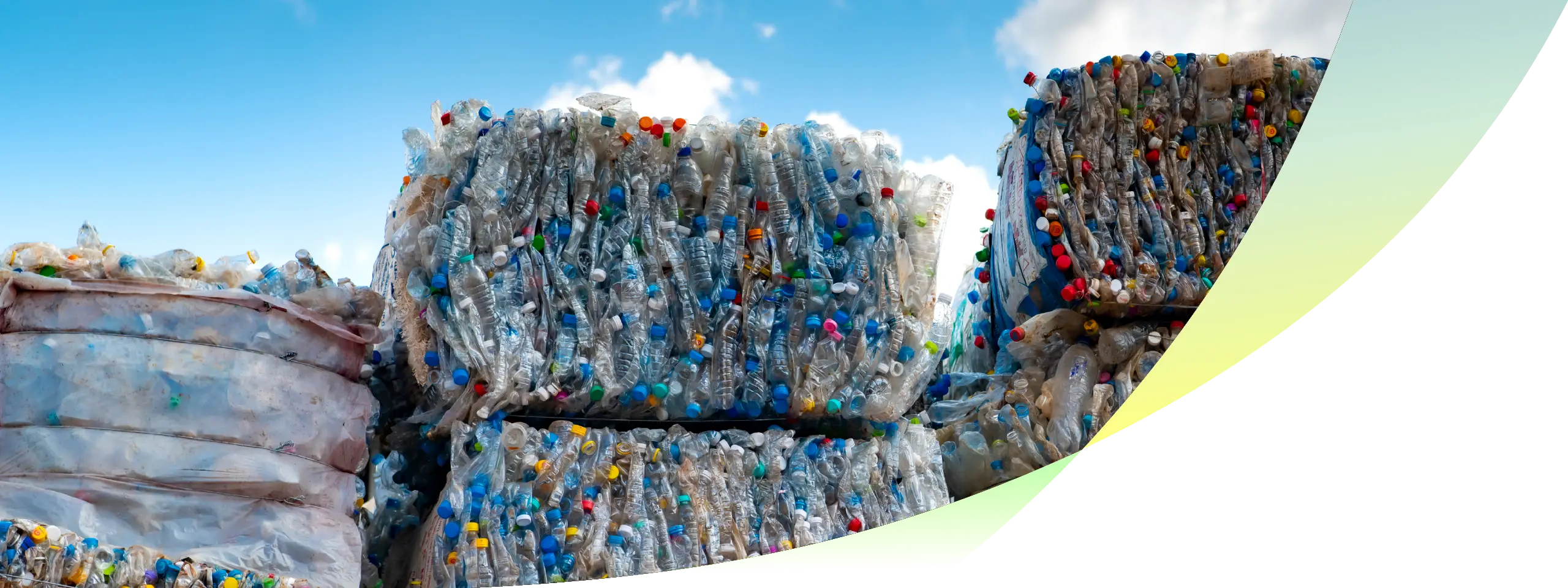
Plastic waste is generated across almost every business environment, from packaging and logistics materials to everyday operational use. While some plastics can be included in co-mingled recycling, many require dedicated handling to ensure they are properly recovered. 

Plastic recycling services provide a structured way to manage both rigid and soft plastics, helping reduce landfill volumes and improve overall recycling outcomes. 

Wasteflex coordinates plastic recycling programs across multiple sites, aligning services with operational workflows so plastic waste is separated, collected and processed more effectively. 

Understanding Different Types of Plastic Waste

Not all plastics are handled the same way. Identifying the type of plastic waste generated is critical to determining the right recycling approach. 
Soft Plastics

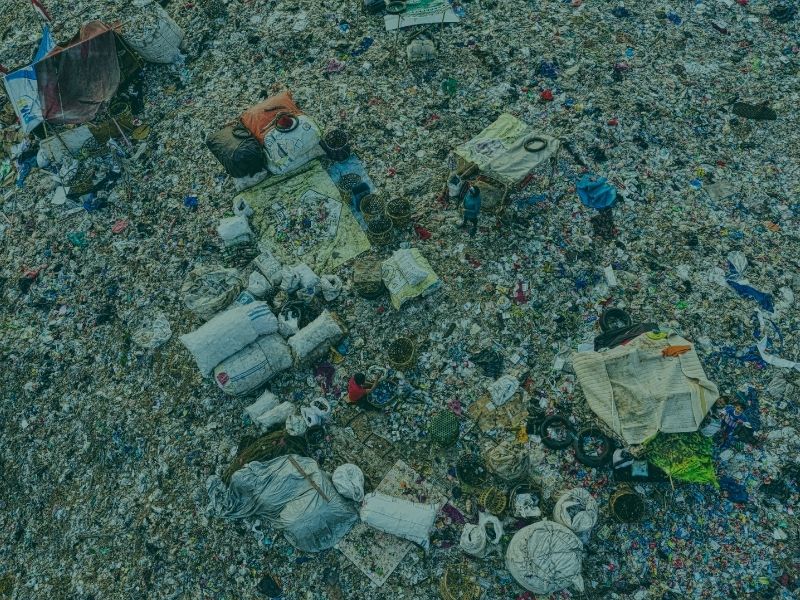
Soft plastics require separate handling and are not suitable for co-mingled recycling. 

Common examples include: 

  • Stretch wrap recycling (used in logistics and warehousing)  
  • Pallet wrap recycling  
  • Plastic films and shrink wrap  
  • Soft packaging materials  

Effective soft plastic recycling requires dedicated collection systems to keep materials clean and suitable for processing. 

Rigid Plastics

Rigid plastics include: 

  • Bottles and containers  
  • Hard plastic packaging  
  • Food and beverage containers  

These materials are commonly accepted in co-mingled recycling, depending on site setup. 

Why Plastic Recycling Requires a Dedicated Approach

Plastic waste is often generated in high volumes and can quickly build up across operational areas. Without the right systems, it can create storage challenges, safety risks and unnecessary disposal costs. 

Separating plastics into appropriate streams allows businesses to: 

  • Improve recycling recovery rates  
  • Reduce contamination in co-mingled recycling  
  • Manage high-volume packaging waste more efficiently  
  • Reduce reliance on landfill  
  • Support sustainability and ESG targets  

A structured plastic waste management approach ensures materials are directed to the correct recycling pathways.
Challenges in Plastic Waste Management

High Volume in Certain Industries

Logistics, retail and manufacturing environments generate significant volumes of plastic packaging.

Incorrect Disposal

Soft plastics are often placed in co-mingled recycling, leading to contamination and rejected loads.

Storage and Handling

Lightweight materials can be difficult to manage without proper containment systems.

Limited Visibility

Without tracking plastic waste separately, businesses may miss opportunities to reduce waste or improve recycling performance.

Inconsistent Collection Services

Irregular collections can lead to build-up, impacting workflow and site safety.

How Wasteflex Supports Plastic Recycling

Plastic recycling requires a more targeted approach than general recycling systems. Wasteflex helps businesses manage plastic waste more effectively by focusing on separation, collection and consistency. 

Dedicated Plastic Recycling Streams

Plastic recycling services are designed to separate rigid and soft plastics, ensuring each material is handled correctly.

Soft Plastic Recycling Programs

Stretch wrap recycling and pallet wrap recycling systems are implemented for high-volume environments such as warehouses and distribution centres.

Aligned Collection Services

Collection schedules are tailored to match waste generation patterns, preventing build-up and maintaining operational efficiency.

Improved Site Setup

Bin placement and containment systems are designed to manage lightweight plastic materials effectively.

Support for Multi-Site Operations

Multi-site plastic recycling programs provide consistent service delivery and reporting across all locations.

Industries That Generate Plastic Waste

Plastic waste is present across a wide range of industries, particularly where packaging and logistics are involved.

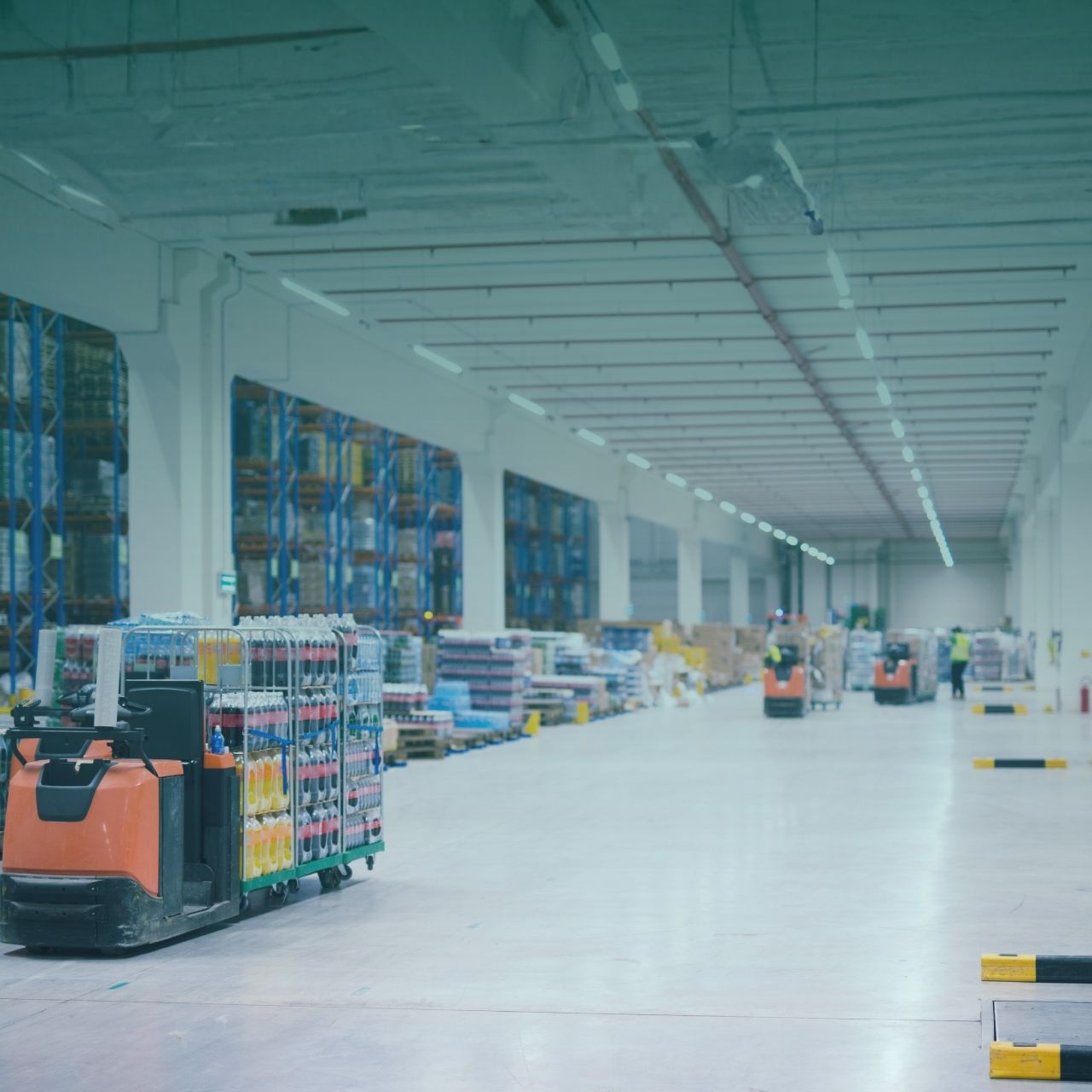
Warehouses generate large volumes of stretch wrap, pallet wrap and packaging materials.

Plastic packaging from product deliveries and customer-facing operations contributes to ongoing waste generation.

Production processes and packaging materials create both rigid and soft plastic waste streams.

Packaging, containers and single-use plastics are commonly generated in kitchens and service areas.

Facilities produce plastic waste through packaging, consumables and operational materials.

Reducing Plastic Waste in Business Operations

Plastic recycling is an important step, but reducing plastic waste at the source can further improve outcomes.

Businesses can improve performance by:

  • Separating rigid and soft plastics at the source
  • Introducing dedicated soft plastic recycling systems
  • Reviewing packaging use and supplier practices
  • Monitoring plastic waste volumes
  • Integrating plastic recycling with broader waste strategies

Reducing plastic waste in business operations supports both cost control and sustainability goals.

A More Effective Way to Manage Plastic Waste

Plastic waste management should be structured, not reactive. When businesses understand the types of plastic they generate and implement the right systems, recycling becomes more efficient and reliable.
By aligning plastic recycling services with operational needs, organisations can reduce landfill volumes, improve recovery outcomes and maintain cleaner, more organised sites.
If your business generates high volumes of plastic waste, reviewing your current setup can identify practical improvements and long-term efficiencies.

TOP