Copyright © 2026 WasteFlex Pty Ltd. All rights reserved.
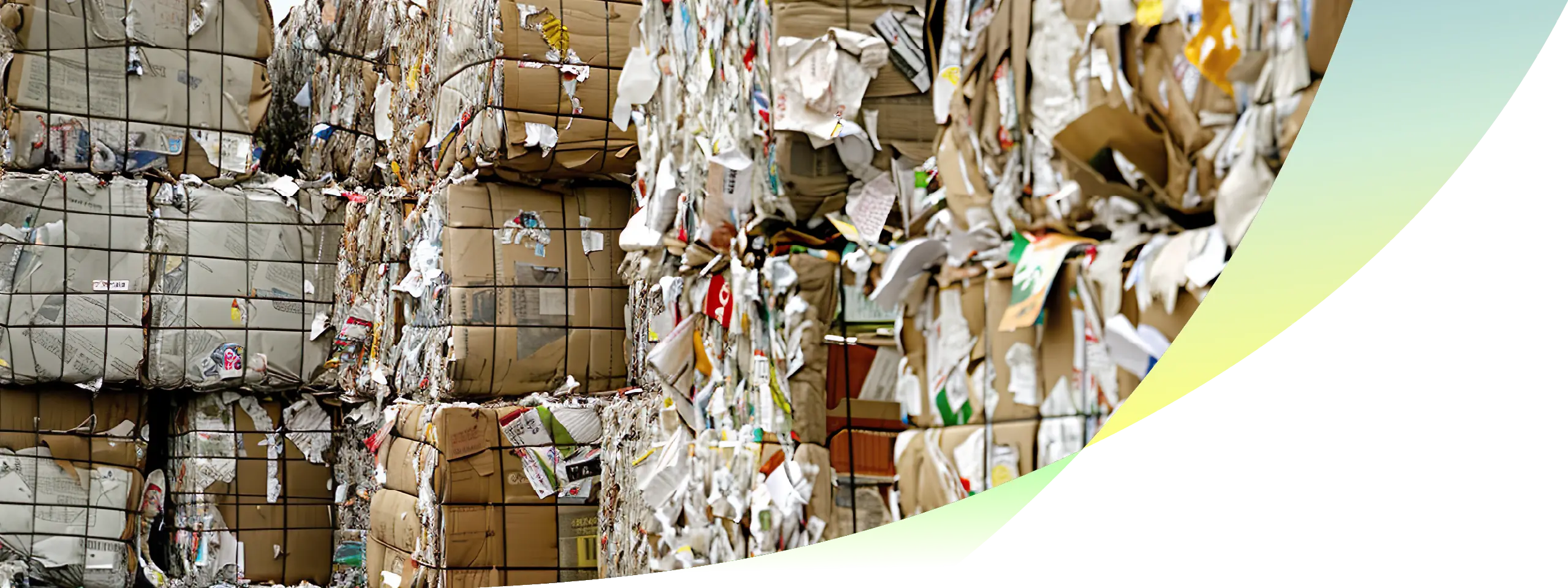
paper and cardboard recycling collection for commercial and industrial waste management operations

Paper & Cardboard Recycling

Paper and cardboard are among the most common waste streams across commercial and industrial environments. From packaging and deliveries to office documents, these materials can quickly build up without the right systems in place.

Effective paper and cardboard recycling helps businesses reduce landfill volumes, lower disposal costs and improve overall waste performance.

WasteFlex delivers paper and cardboard recycling services across Australia, helping businesses separate fibre-based materials from general waste to improve recycling performance and resource recovery. By keeping materials clean, aligning collections to demand and coordinating services across sites, businesses can achieve better recovery outcomes and improved efficiency.
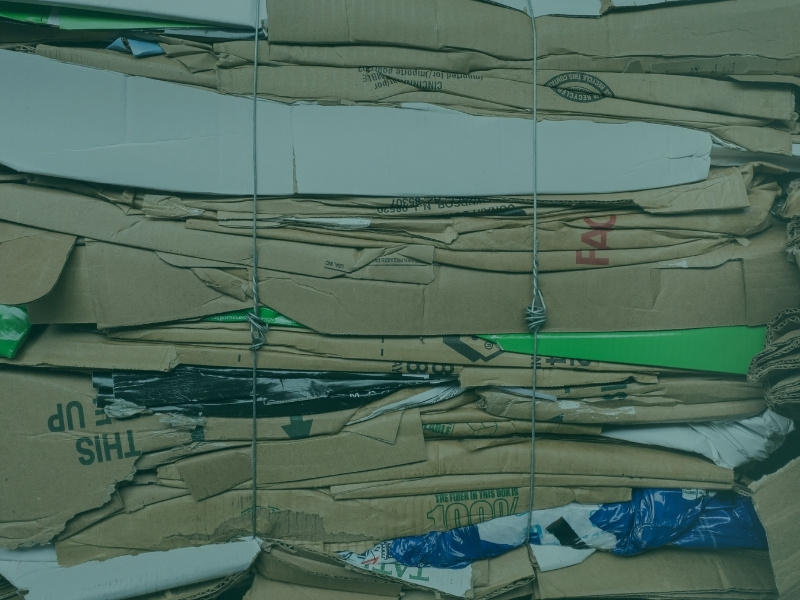
Paper and cardboard recycling services for commercial businesses

What Qualifies as Paper and Cardboard Waste?

Paper and cardboard recycling focuses on fibre-based materials that can be processed and reused.

Common recyclable materials include:

  • Cardboard boxes and packaging
  • Office paper and printed materials
  • Paperboard and cartons
  • Newspapers and magazines
  • Clean paper packaging

Materials that are heavily contaminated with food, liquids or non-recyclable substances may not be suitable for recycling and should be separated to avoid impacting recovery rates.

Maintaining clean paper and cardboard streams is essential to ensure materials can be successfully reprocessed.

Why Separate Paper and Cardboard from Commingled Recycling

While some paper products can be included in commingled recycling, high-volume materials are often better managed through dedicated recycling streams.

Separating these materials allows businesses to:

  • Improve recycling quality and resource recovery rates
  • Reduce contamination from mixed waste streams
  • Lower disposal costs by diverting large volumes from landfill
  • Create more efficient collection systems for bulky recyclable materials

For businesses generating consistent packaging waste, dedicated cardboard recycling services provide a more effective and sustainable solution than standard mixed recycling systems.


Common Challenges in Paper and Cardboard Recycling

Wasteflex centralised contractor management icon representing coordinated waste management services and streamlined waste operations.

High Volumes of Packaging

Retail, logistics and manufacturing environments generate large amounts of cardboard daily. Without proper systems, materials can overflow or end up in general waste.

Wasteflex consistent waste management service delivery icon representing standardised waste management across multiple business locations.

Contamination

Cardboard contaminated with food or liquids cannot be recycled. Poor separation reduces the effectiveness of recycling programs.

Wasteflex consolidated reporting icon representing waste tracking, sustainability reporting and resource recovery insights.

Inefficient Bin Setup

Incorrect bin sizes or placement can lead to operational inefficiencies, particularly in back-of-house or warehouse environments.

Wasteflex single point of accountability icon representing managed waste services and centralised operational support.

Irregular Collection Services

Collection schedules that do not match actual waste volumes can result in overflow or unnecessary servicing costs.

Wasteflex waste tracking and reporting icon representing service visibility across managed waste programs.

Limited Visibility on Waste Volumes

Many businesses do not track how much cardboard they generate, making it difficult to optimise recycling performance.

How WasteFlex Improves Paper and Cardboard Recycling

Managing cardboard and paper effectively requires more than just providing a bin. It involves aligning infrastructure, collection services and operational workflows. WasteFlex supports businesses by: 

Designing Dedicated Recycling Streams

Cardboard recycling services are structured to handle high volumes without mixing with other materials.

Wasteflex dedicated cardboard recycling stream icon representing high-volume paper recycling, commercial packaging recovery and sustainable waste management solutions.

Providing Appropriate Bin Solutions

Cardboard recycling bins are selected based on volume, site layout and handling requirements, including bulk and front-lift options.

Wasteflex optimised bin infrastructure icon representing commercial waste collection efficiency, right-sized bins and sustainable waste management solutions.

Aligning Collection Frequency to Demand

Services are scheduled to match actual usage, preventing overflow and reducing unnecessary collections.

Wasteflex waste collection scheduling icon representing aligned collection frequency, overflow prevention and efficient commercial waste management services.

Supporting Bulk Cardboard Recycling

For high-output sites, bulk cardboard recycling solutions such as baling or large bin systems improve efficiency.

Wasteflex bulk cardboard recycling solutions for high-volume packaging waste recovery, commercial cardboard baling and efficient recycling collection services.

Integrating with Broader Waste Systems

Paper recycling services are coordinated alongside general waste and other recycling streams to ensure optimal diversion.

Wasteflex integrated billing and reporting services supporting coordinated waste streams, improved recycling diversion and commercial waste management efficiency.

Industries That Generate Paper and Cardboard Waste

Paper and cardboard recycling is relevant across a wide range of industries where packaging and printed materials are generated.

Large volumes of packaging from stock deliveries and back-of-house operations.

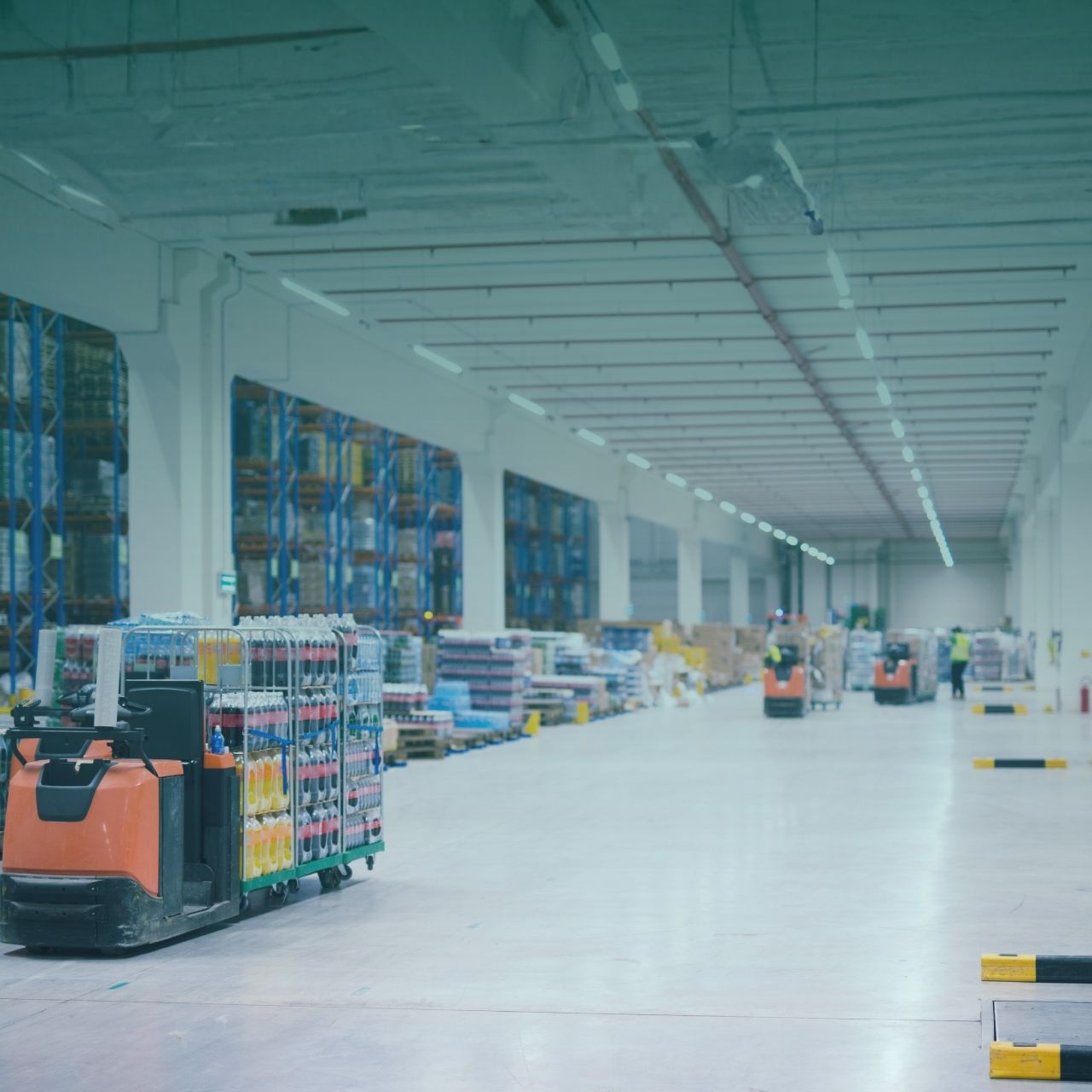
Warehouses generate continuous cardboard waste from inbound and outbound goods.

Packaging and production materials contribute to high cardboard volumes.

Paper recycling services support offices, schools and universities with everyday paper waste.

Non-clinical packaging and paper materials can be separated into recycling streams.

Improving Cardboard Recycling Performance

Paper and cardboard recycling is one of the easiest ways for businesses to improve waste outcomes, but only when systems are set up correctly.

To improve performance, businesses should:

  • Separate cardboard from general waste and commingled streams
  • Keep materials clean and dry
  • Use dedicated cardboard recycling bins in high-volume areas
  • Review collection frequency regularly
  • Monitor waste volumes to identify opportunities for improvement

Taking a structured approach helps reduce landfill reliance and improves overall recycling efficiency.

Wasteflex optimising waste operations to improve cost efficiency, ESG outcomes, and sustainability performance across a national portfolio.

A More Effective Way to Manage Paper and Cardboard

Paper and cardboard recycling should be treated as a priority waste stream, not an afterthought. When managed properly, it delivers both environmental and financial benefits.
By implementing dedicated cardboard recycling services and aligning systems to operational needs, businesses can reduce waste costs, improve recovery rates and maintain cleaner, more efficient sites.
If your organisation generates significant paper or cardboard waste, reviewing your current recycling setup can identify immediate improvements and long-term efficiencies.

Frequently Asked Questions

Most cardboard can be recycled without removing small amounts of tape, although excessive tape, plastic wrapping and other non-paper materials should be removed where practical. 

Keeping cardboard as clean as possible reduces contamination and improves the quality of the recovered fibre.

Yes, clean paper and cardboard are commonly collected together through dedicated recycling services. 

For businesses generating large volumes of cardboard, a dedicated paper and cardboard stream can help keep fibre materials separate from general waste and other recyclables, improving recycling quality and making high volumes easier to manage.

Yes, flattening cardboard is usually recommended because it reduces bulky air space and allows more material to be stored before collection. 

This can be particularly useful for businesses generating high volumes of boxes, where unflattened cardboard can fill available recycling capacity quickly. Preparation requirements can vary depending on the collection system used at the site.

Heavily wet or saturated cardboard may not be suitable for recycling because moisture can damage the fibre and affect how the material is processed. 

Businesses should protect cardboard from rain, spills and other sources of moisture while it is being stored. Whether damp material can still be accepted will depend on its condition and the requirements of the recycling service.

Heavily food-contaminated cardboard should generally not be placed in a standard paper and cardboard recycling stream. 

Food, grease and liquids can contaminate recovered fibre and reduce its suitability for recycling. Clean sections of cardboard may sometimes be separated from contaminated sections where practical.

Clean pizza boxes can generally be recycled with paper and cardboard, but food residue, grease and other contamination can affect whether the material is suitable for recovery. 

If only part of the box is contaminated, clean sections may be separated for recycling where practical. Heavily soiled or greasy sections should generally be kept out of the standard paper and cardboard recycling stream. Acceptance can vary depending on the recycling arrangement.

Usually not. Wax, lamination and plastic coatings can prevent cardboard from being processed in the same way as clean fibre-based packaging. 

Coated cardboard should therefore be kept separate unless the site's recycling arrangement specifically accepts that material. Acceptance can vary with the type of coating and the processing facility.

Shredded paper can sometimes be recycled, but it may need a collection method designed to handle loose, small-format paper. 

Businesses should confirm how shredded material needs to be contained and whether it is accepted through their existing paper-recycling service. Regular or high volumes may require a different arrangement from ordinary office paper and cardboard.

Small standard staples can often remain attached to recyclable paper. 

Larger fasteners, bindings and other non-paper components may need to be removed depending on the recycling arrangement. Businesses generating documents with substantial attachments should follow the preparation requirements that apply to their service.

Used paper towels and tissues are generally not suitable for standard paper and cardboard recycling. Their fibres are often short and difficult to recover, and used materials may also contain moisture, food residue or other contamination. 

They should therefore be kept out of a clean paper and cardboard recycling stream unless the specific waste service confirms an alternative recovery pathway is available.

Recovered cardboard is generally sorted, pulped and processed into recycled fibre that can be used to manufacture new cardboard products and packaging materials. 

The exact recycling pathway can vary by facility, but keeping cardboard clean and dry helps preserve fibre quality and improves its suitability for reprocessing.

TOP