Copyright © 2026 Wasteflex Pty Ltd. All rights reserved.

Bulk & Skip Bins 

Flexible Solutions for Large Volume Waste 

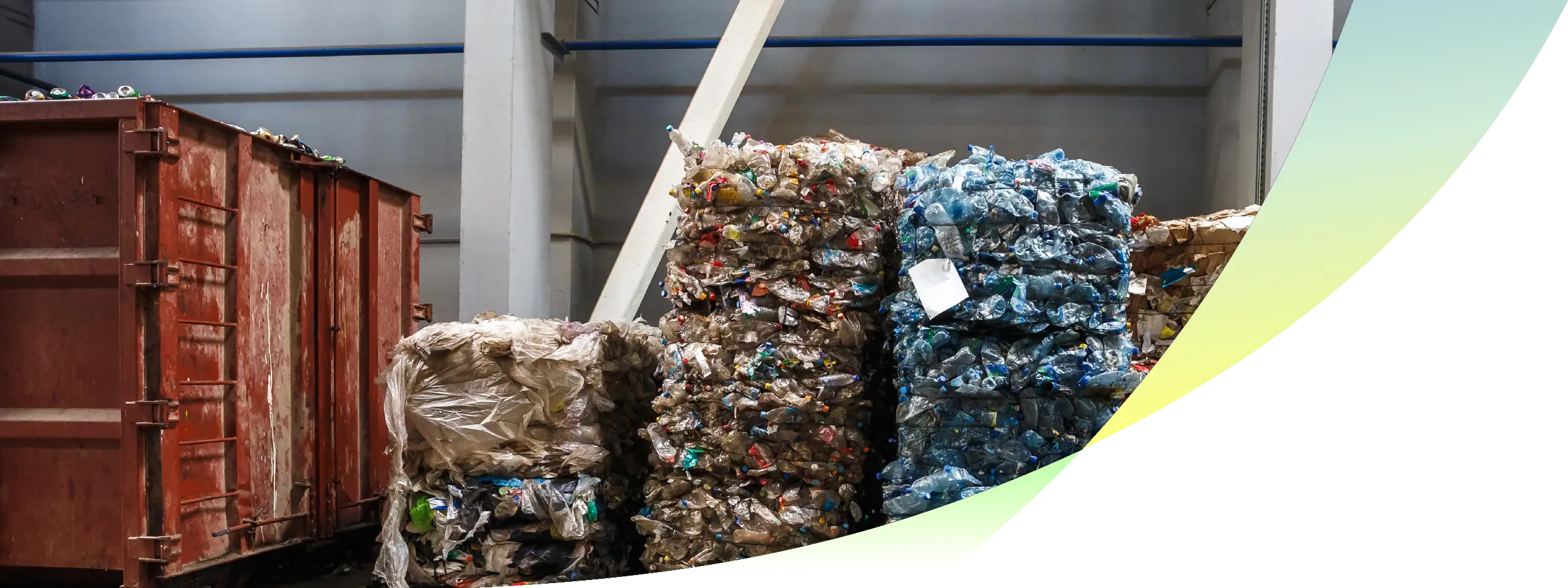
Some waste streams don’t fit neatly into standard bin systems. Construction projects, site clean-ups and high-volume operations often require larger, more flexible solutions to manage waste efficiently. 

Bulk and skip bins provide a practical way to handle large volumes of waste, allowing businesses to manage disposal without disrupting operations. 

Wasteflex supports businesses with ongoing bulk waste requirements by coordinating bulk and skip bin services across multiple sites, delivering consistent service, centralised oversight and greater control over high-volume waste. 
When Bulk and Skip Bins Are Required

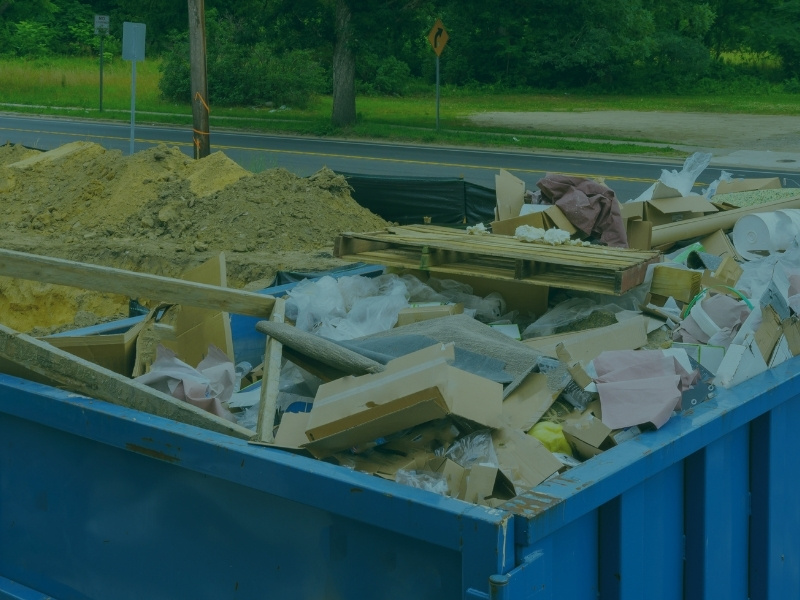
Bulk waste bins are designed for situations where standard waste services are not sufficient. 

They are commonly used for: 

  • Construction and demolition projects  
  • Site clean-ups and refurbishments  
  • Warehouse and industrial clear-outs  
  • Large-scale waste generation events  
  • Temporary increases in waste volume  

In these scenarios, skip bin hire provides flexibility, allowing businesses to scale waste management services based on demand. 


Types of Waste Suitable for Skip Bins

Skip bins can be used for a wide range of waste types, depending on the project and site requirements. Common materials include: 

  • General waste from site operations  
  • Construction and demolition waste  
  • Timber, metals and packaging materials  
  • Non-hazardous bulk waste  

Certain regulated or hazardous materials may require separate handling and should not be placed in standard skip bins without approval. 


Choosing the Right Skip Bin Size

Selecting the right skip bin sizes is key to efficient waste management. Typical options include: 

  • Small bins for minor clean-ups or low-volume waste  
  • Medium bins for commercial use and moderate waste generation  
  • Large bulk bins for construction sites and high-volume operations 

Choosing the right size helps prevent overflow, reduce unnecessary collections and improve cost control.
Challenges in Managing Bulk Waste

Unpredictable Waste Volumes

Projects can generate fluctuating volumes, making it difficult to plan services in advance.

Space and Access Constraints

Skip bins require sufficient space for placement and collection, particularly in busy or restricted sites.

Incorrect Waste Disposal

Mixing unsuitable materials into skip bins can create compliance issues and additional costs.

Coordination Across Multiple Sites

For organisations managing multiple projects or locations, coordinating bulk waste services can become complex.

Rising Disposal Costs

Landfill fees continue to increase, making it important for businesses to actively manage and reduce general waste volumes.

How Wasteflex Supports Bulk Waste Management

Bulk waste requires flexibility, coordination and reliable service delivery. Wasteflex supports this through: 

Providing Flexible Skip Bin Hire Options

Bins provided based on project scope, size and duration

Coordinating Delivery and Collection

Bins are delivered and collected in line with site schedules, ensuring minimal disruption.

Supporting High-Volume Waste Disposal

Bulk waste bins are used to manage large volumes efficiently, particularly in construction and industrial environments.

Ensuring Compliance and Proper Waste Handling

Guidance is provided to ensure waste is disposed of correctly and in line with regulations.

Managing Multi-Site Operations

Multi-site bulk waste management programs provide consistent service across multiple projects or locations.

Industries That Use Bulk and Skip Bins

Bulk and skip bins are widely used across industries where large volumes of waste are generated. 

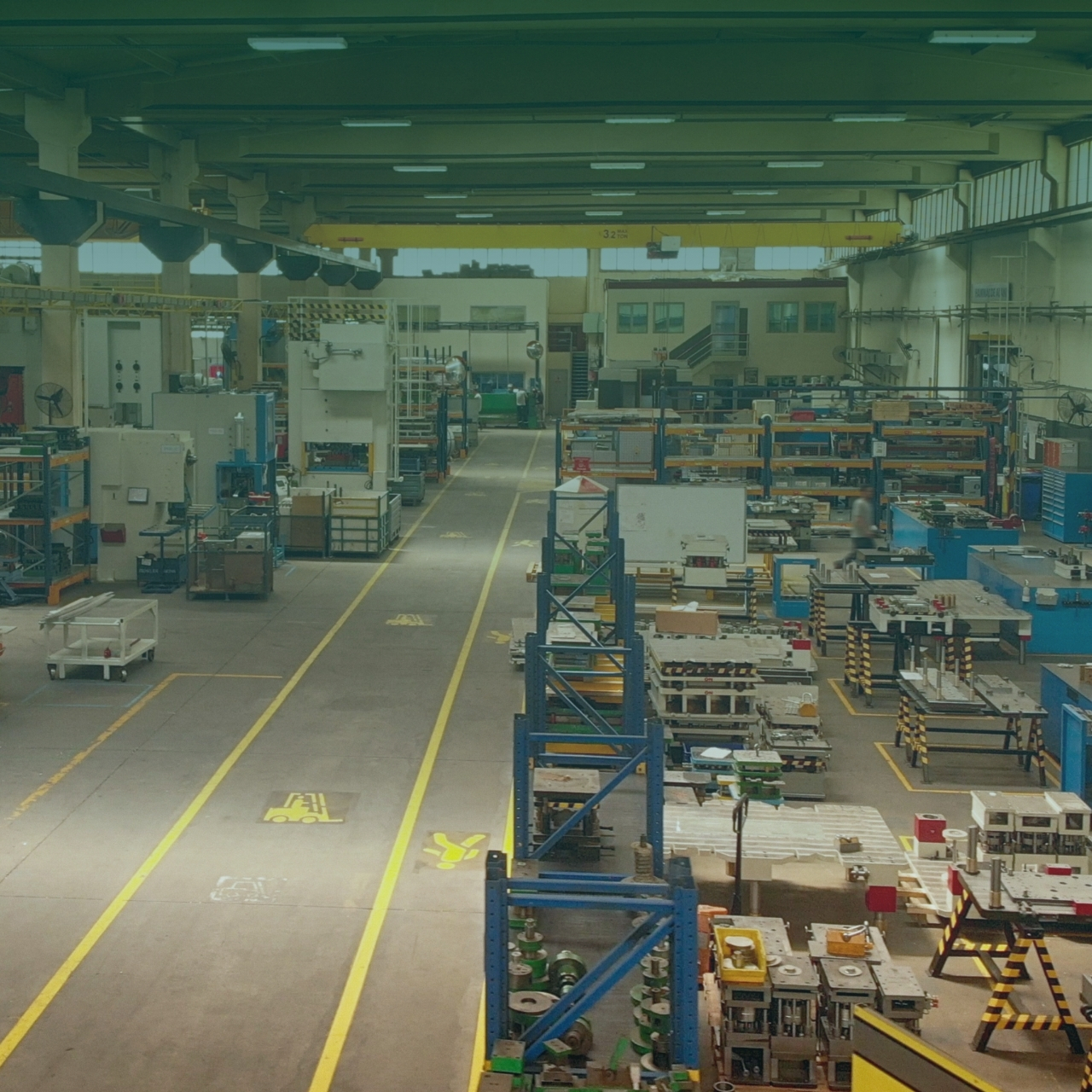
Facilities use bulk bins for clean-ups, maintenance and production-related waste.

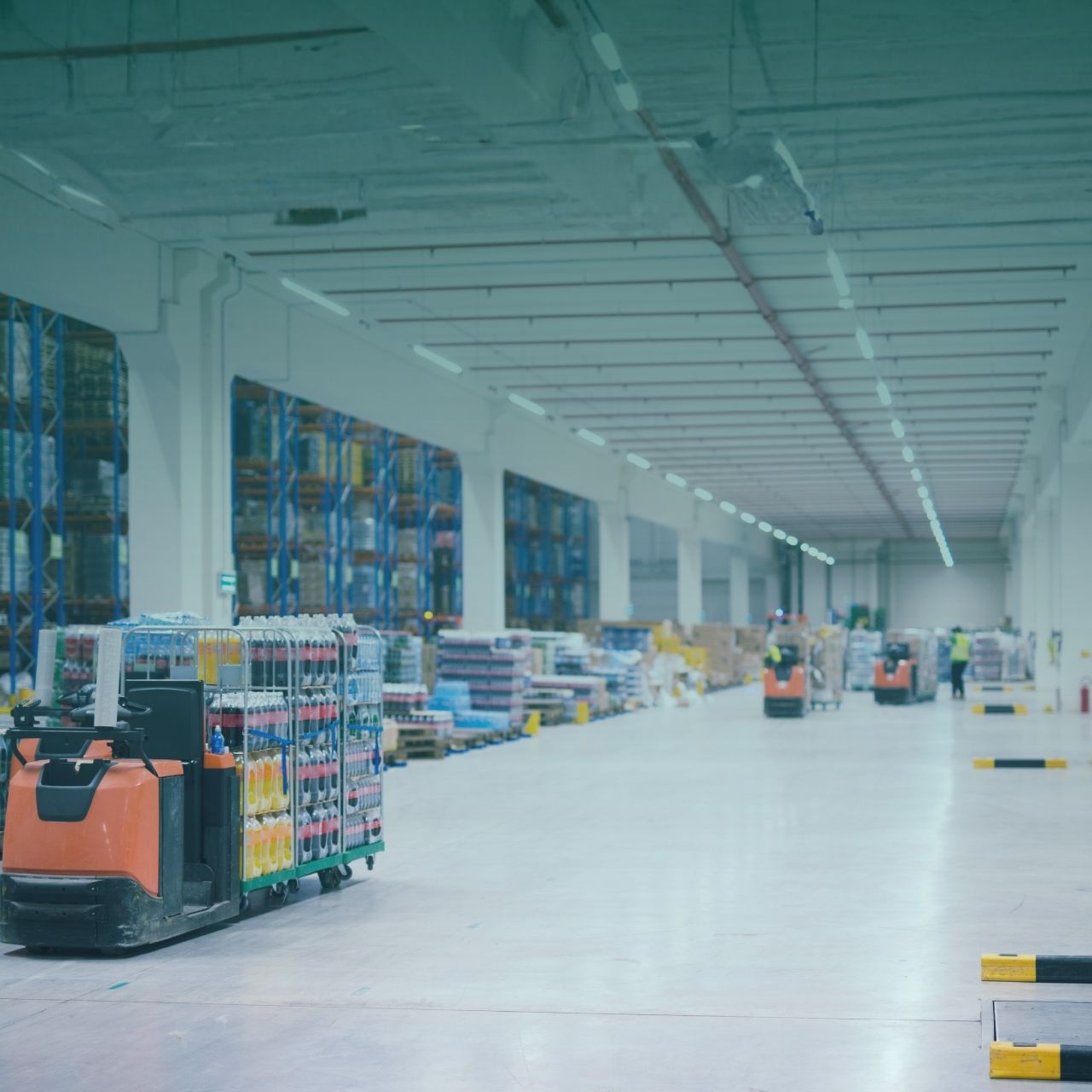
Warehouses require bulk waste solutions for large-scale clear-outs and packaging waste.

Large events and venue operations may require additional waste capacity during peak periods.

Store refurbishments and fit-outs generate significant waste that requires temporary bulk disposal.

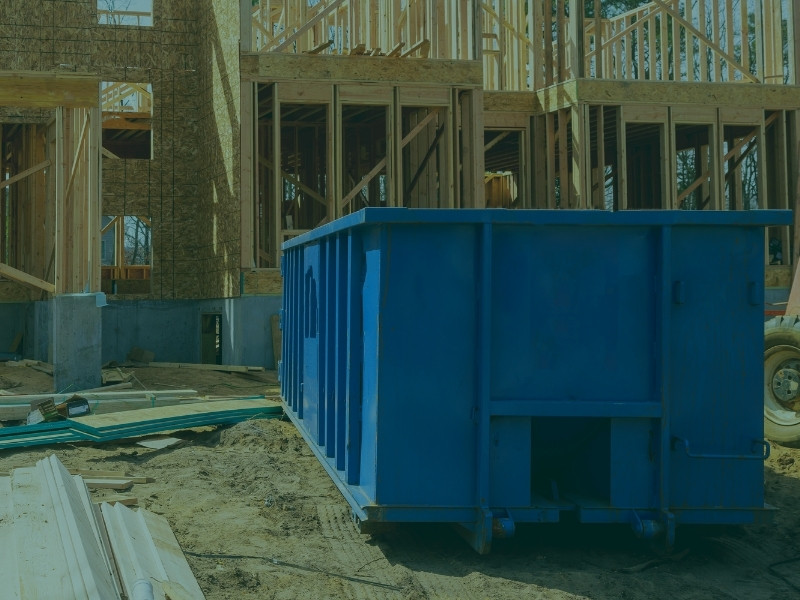
Construction waste bins are essential for managing debris and materials during building and demolition activities.

Managing Bulk Waste Efficiently

Bulk waste management should be planned around site activity, access requirements and waste volumes.
Businesses can improve efficiency by:

  • Selecting the right skip bin sizes
  • Placing bins in accessible and practical locations
  • Scheduling collections based on project timelines
  • Separating recyclable materials where possible
  • Monitoring waste volumes to optimise services

A structured approach ensures waste is managed safely and efficiently, even in high-volume situations.

Supporting Efficient Waste Removal at Scale

Bulk and skip bins provide a flexible and scalable solution for managing large volumes of waste. When coordinated properly, they support productivity, maintain site organisation and reduce operational disruption.
By aligning bin supply, collection schedules and operational requirements, businesses can manage bulk waste more effectively while maintaining control over costs and compliance.
If your organisation requires bulk waste disposal services or ongoing commercial skip bins, reviewing your current setup can help identify more efficient and cost-effective solutions.

TOP