Copyright © 2026 WasteFlex Pty Ltd. All rights reserved.
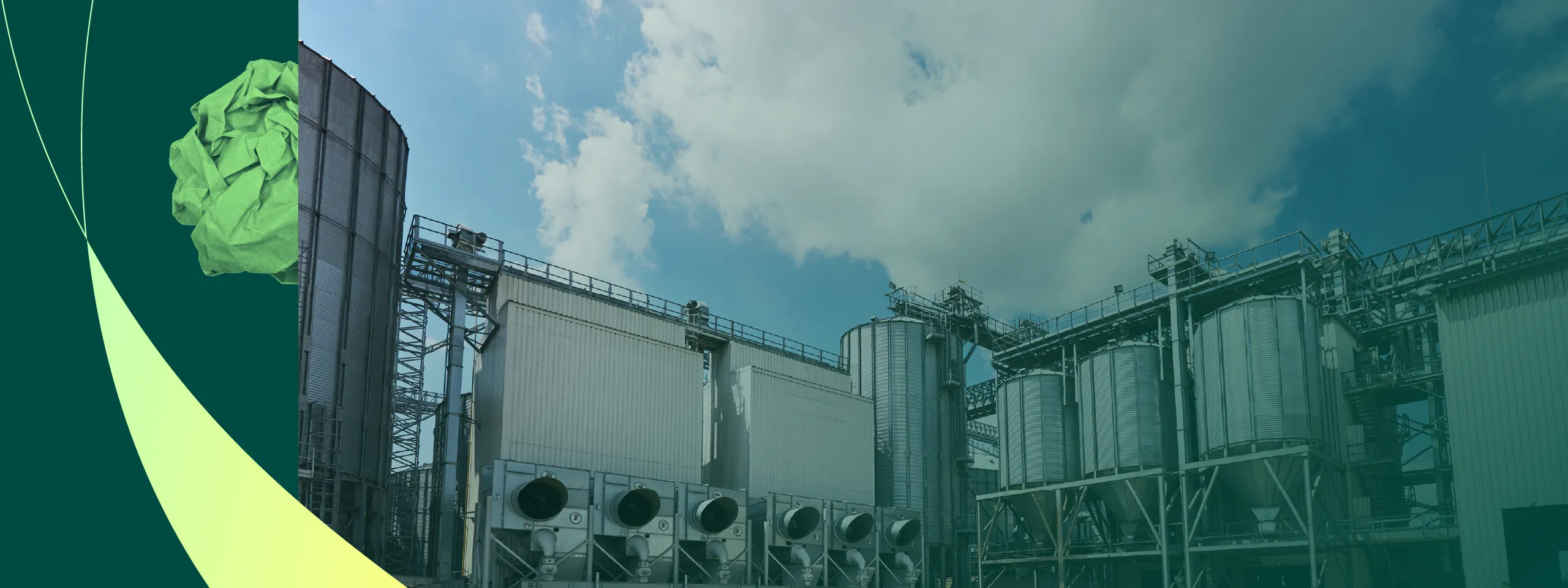
Wasteflex industrial waste management solutions supporting manufacturing facilities with production waste coordination, compliance reporting, recycling programs and centralised waste service management across multiple sites

Industrial & Manufacturing Waste Management

Industrial operations run at scale, with large volumes of waste generated across production lines, processing areas and storage facilities. Managing this waste safely and consistently is critical to maintaining site safety, compliance and operational uptime.

Effective waste management for manufacturing industry environments must handle a wide range of materials, from general production waste through to hazardous and regulated streams, while staying aligned with operational workflows.

WasteFlex delivers industrial waste management solutions for manufacturers and industrial operators across Australia. Through a centralised managed services model, we coordinate contractors, reporting and billing into one framework — improving visibility, strengthening manufacturing waste compliance and providing better control over cost and performance.

Waste Streams in Industrial and Manufacturing Facilities

Manufacturing and industrial sites generate diverse waste streams depending on their processes and materials.

Wasteflex general waste management services supporting commercial waste collection, landfill reduction and sustainable waste solutions for businesses.

General Production Waste

Manufacturing and industrial sites generate diverse waste streams depending on their processes and materials.

Paper & Cardboard Recycling - Secure Business Facilities - Reduce Landfill Waste

Cardboard and Packaging

High volumes of packaging from raw materials, parts and finished goods.

Wasteflex coordinated scrap metal recycling solutions supporting metal recovery, landfill diversion and cost-efficient waste management for automotive and industrial operations.

Scrap Metals and Recyclables

Metal offcuts, plastics and other recyclable materials suitable for industrial recycling services.

Wasteflex coordinated clinical and infectious waste management solutions supporting compliant handling of sharps, contaminated PPE and regulated healthcare waste.

Hazardous and Regulated Waste

Oils, chemicals, solvents and contaminated materials requiring controlled handling and disposal.

Wasteflex liquid waste disposal services supporting industrial waste collection, environmental compliance and regulated liquid waste management solutions.

Liquid Waste and Sludge

By-products from certain manufacturing processes that require specialised industrial waste disposal services.

Wasteflex coordinated waste segregation strategies helping aged care facilities reduce contamination and improve recycling and waste recovery outcomes.

Effective industrial waste management requires clear segregation, appropriate containment and compliant disposal pathways.

Key Challenges in Industrial Waste Management

Wasteflex centralised contractor management icon representing coordinated waste management services and streamlined waste operations.

Complex Waste Streams

Manufacturing operations often produce multiple waste types, including hazardous materials. Each stream requires different handling, storage and disposal processes.

Wasteflex consistent waste management service delivery icon representing standardised waste management across multiple business locations.

Compliance and Safety Risk

Manufacturing waste compliance is critical. Incorrect handling of hazardous waste manufacturing materials can lead to environmental breaches, safety incidents and regulatory penalties.

Wasteflex consolidated reporting icon representing waste tracking, sustainability reporting and resource recovery insights.

Operational Disruption

Overflowing bins, poorly timed collections or inefficient waste handling can interfere with production lines and site logistics.

Wasteflex single point of accountability icon representing managed waste services and centralised operational support.

Multi-Site Coordination

Large manufacturers often operate across multiple plants and regions. Multi-site manufacturing waste management requires consistency, central oversight and reliable contractor performance.

Wasteflex waste tracking and reporting icon representing service visibility across managed waste programs.

Cost Control and Efficiency

Without structured waste systems, businesses may face over-servicing, inefficient logistics and missed recycling opportunities.

How WasteFlex Supports Industrial and Manufacturing Operators

WasteFlex helps industrial businesses simplify and control waste management across all facilities.

Centralised Waste Management Framework

All waste streams are coordinated under one structure, improving visibility and consistency across sites.

Wasteflex coordinated consolidated waste management solutions for aged care facilities integrating general waste, recycling and clinical waste oversight.

Multi-Site Manufacturing Waste Management

National operations benefit from standardised service levels, central reporting and one point of accountability.

Wasteflex multi-site icon representing centralised coordination, consistent disposal and national service management.

Industrial Recycling Services

Programs are designed to recover materials such as metals, cardboard and plastics, reducing landfill costs.

Wasteflex large skip bin for construction waste and high‑volume commercial waste management

Hazardous Waste Management and Compliance

Hazardous waste manufacturing streams are handled through licensed providers with full documentation and traceability.
Wasteflex managed healthcare waste compliance solutions supporting clinical waste tracking, reporting and regulatory documentation.

Optimised Infrastructure and Collection Scheduling

Bins, compactors and service schedules are aligned to production volumes and site layout to minimise disruption.
Wasteflex waste collection scheduling icon representing aligned collection frequency, overflow prevention and efficient commercial waste management services.

Consolidated Billing and Reporting

National waste management manufacturing solutions provide one invoice and clear reporting across all sites.
Wasteflex integrated billing and reporting services supporting coordinated waste streams, improved recycling diversion and commercial waste management efficiency.
Wasteflex manufacturing waste management reporting and compliance monitoring supporting industrial recycling programs, environmental performance tracking, audit documentation and multi-site sustainability outcomes

Compliance, Sustainability Support for Manufacturing

Industrial operators are under increasing pressure to demonstrate both compliance and environmental responsibility. Waste management plays a key role in achieving these objectives.

WasteFlex supports manufacturing businesses with:

  • Industrial recycling services to increase diversion rates
  • Reporting on waste volumes and environmental performance
  • Documentation for manufacturing waste compliance and audits
  • Identification of further recovery and efficiency opportunities

For multi-site operators, centralised data improves visibility and supports consistent performance across all facilities.

A Smarter Approach to Industrial Waste Management

Industrial waste management must be reliable, compliant and aligned with production demands. It should support operations, not interfere with them.

A structured and coordinated approach enables manufacturers to reduce risk, improve efficiency and maintain control over complex waste streams.

If your organisation operates manufacturing plants or industrial facilities across multiple locations, reviewing your waste management setup can uncover cost savings, improve compliance and strengthen sustainability outcomes.

Wasteflex manufacturing waste management reporting dashboard supporting industrial compliance, environmental performance monitoring, recycling analytics and multi-site sustainability management programs

Frequently Asked Questions

Manufacturing businesses can produce general production waste, cardboard and packaging, scrap metals, plastics and other recyclables, oils and chemicals, contaminated materials, liquid waste and sludge. 

The exact mix depends on the products being made, the materials used and the manufacturing processes carried out at the site.

Whether manufacturing waste is hazardous depends on what the material contains and the risks associated with it. 

Waste such as oils, solvents, chemicals and contaminated materials may require assessment or classification so the appropriate storage, transport, treatment or disposal requirements can be determined.

Requirements can vary by waste type and state or territory.

Different waste types should be kept separate where they require different recycling, treatment or disposal pathways. 

General waste, recyclable materials, liquids and hazardous or regulated waste should be placed in suitable, clearly identified containers. Positioning bins close to where each material is generated can also make correct separation easier for staff.

Hazardous waste should be correctly identified, stored safely and kept separate from incompatible or general waste. 

Some hazardous and regulated materials require specialised handling, transport and documentation. WasteFlex coordinates these services through appropriately licensed providers and manages them as part of the customer's broader waste program.

Manufacturers can improve recycling by separating recoverable materials at the point where they are generated and keeping them out of general waste. 

Common opportunities can include cardboard, metals, suitable plastics and other production materials. Reviewing waste streams and contamination can also help identify materials that could be recovered instead of sent to landfill.

Yes, a waste audit or structured waste review can help a manufacturing business understand what waste it produces, where it comes from and how it is currently being managed. 

Reviewing waste volumes, recycling, contamination and service activity can reveal opportunities to reduce waste, improve recovery and adjust existing waste services.

Manufacturing sites may require different waste equipment across production, storage and loading areas depending on what each part of the facility generates. 

High-volume production waste or bulky materials may be suited to larger containers or compacting equipment, while smaller, recyclable or specialised streams may need dedicated containers. The overall setup should support material separation and provide sufficient capacity without obstructing production, vehicle movements or site access.

The records required depend on the waste being generated and the rules that apply in the relevant state or territory. 

For some regulated waste, manufacturers may need records relating to classification, collection, transport or disposal. Keeping clear service, waste-volume and recycling records can also make it easier to monitor performance and support audits.

Waste-management costs can often be reduced by matching bin sizes and collection frequencies to actual waste volumes, reducing unnecessary servicing and improving separation of recyclable materials. 

The goal is to remove inefficiency without creating overflowing bins, safety issues or interruptions to production. Reviewing waste volumes and service patterns can help identify where adjustments can be made.

Manufacturers can track waste performance using information such as waste volumes, recycling and diversion results, service activity, costs and performance by waste stream or location. 

WasteFlex provides reporting on waste volumes and waste and recycling performance and can consolidate information across managed sites, helping businesses identify trends and further improvement opportunities.

TOP