Copyright © 2026 WasteFlex Pty Ltd. All rights reserved.
Wasteflex general waste management services supporting commercial waste disposal, landfill reduction and compliant waste collection for industrial and business operations.

General Waste Management

General waste is one of the most common waste streams across commercial and industrial environments. It includes non-recyclable materials that cannot be diverted into recycling or recovery programs and require appropriate business waste disposal through landfill or approved treatment facilities.

Effective general waste management is essential for maintaining clean, safe and compliant workplaces. Without the right systems in place, businesses often experience overfilled bins, inconsistent collections and unnecessary disposal costs.

WasteFlex supports organisations across Australia by bringing structure and visibility to general waste management services. Through the alignment of bin infrastructure, collection schedules and contractor performance, businesses can improve service consistency, reduce operational complexity and better manage waste disposal costs across multiple locations.

What is General Waste?

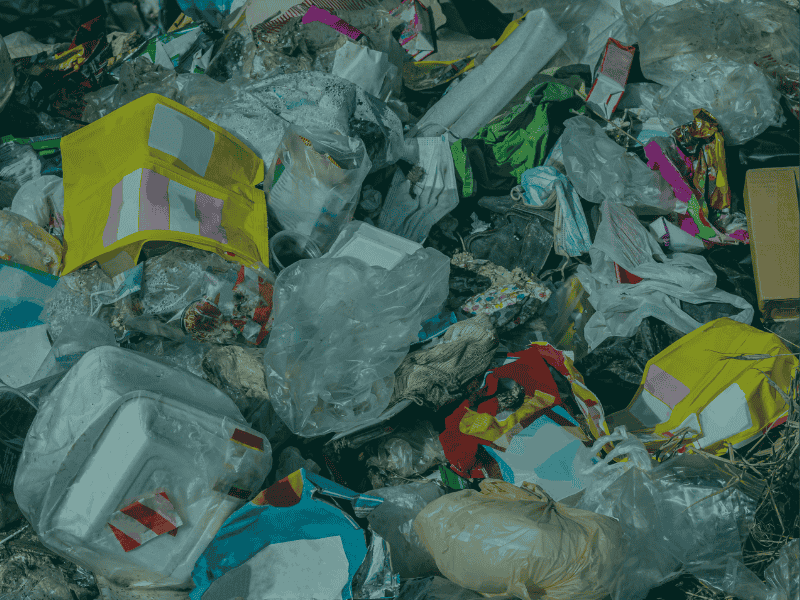
Wasteflex general waste disposal services supporting commercial waste collection, landfill management and contamination reduction for business operations

General waste management is the collection, disposal and monitoring of non-recyclable waste generated by businesses. Effective general waste management helps organisations reduce landfill costs, maintain compliance, improve site cleanliness and identify opportunities for waste diversion through recycling and recovery programs. It is generated across a wide range of industries, including offices, retail, logistics, manufacturing and hospitality.

Common examples of general waste include:

  • Contaminated packaging and materials
  • Mixed plastics that are not recyclable
  • Food-contaminated waste
  • Disposable products and consumables
  • Non-recoverable operational waste

Understanding what belongs in general waste supports better separation and reduces contamination in recycling streams.

Challenges in
Managing General Waste

Wasteflex centralised contractor management icon representing coordinated waste management services and streamlined waste operations.

Over-Reliance on Landfill

Without proper separation and diversion strategies, general waste volumes can increase significantly. This leads to higher landfill costs and missed recycling opportunities.

Wasteflex consistent waste management service delivery icon representing standardised waste management across multiple business locations.

Incorrect Bin Sizing and Placement

Bins that are too large, too small or poorly located can impact efficiency and accessibility across sites.

Wasteflex consolidated reporting icon representing waste tracking, sustainability reporting and resource recovery insights.

Inconsistent Collection Schedules

Over-servicing drives unnecessary cost, while under-servicing leads to overflow, hygiene risks and operational disruption

Wasteflex single point of accountability icon representing managed waste services and centralised operational support.

Limited Visibility Across Sites

For multi-site organisations, tracking waste volumes and performance without centralised reporting can be difficult.

Wasteflex waste tracking and reporting icon representing service visibility across managed waste programs.

Rising Disposal Costs

Landfill fees continue to increase, making it important for businesses to actively manage and reduce general waste volumes.

How WasteFlex Improves General Waste Management

General waste may be unavoidable, but it can be managed more efficiently with the right approach.

Optimised Bin Infrastructure

Bin sizes and types are aligned to actual waste volumes, ensuring efficient use of space and reducing unnecessary collections.

Wasteflex optimised bin infrastructure icon representing commercial waste collection efficiency, right-sized bins and sustainable waste management solutions.

Collection Frequency Alignment

Service schedules are tailored to business operations, preventing overflow while avoiding over-servicing.

Wasteflex collection frequency alignment icon representing scheduled waste collection services, overflow prevention and efficient commercial waste management.

Multi-Site General Waste Management

For organisations with multiple locations, services are coordinated under one framework, providing consistency and central oversight.

Wasteflex multi-site icon representing centralised coordination, consistent disposal and national service management.

Cost Control and Visibility

Consolidated reporting provides clear insights into waste volumes, service frequency and associated costs.

Wasteflex cost control and waste reporting icon representing consolidated waste analytics, recycling visibility and commercial waste management insights.

Integration with Recycling Programs

General waste services are reviewed alongside recycling streams to identify opportunities to reduce landfill reliance.

Wasteflex recycling integration icon representing landfill reduction, commercial recycling programs and sustainable waste management solutions for businesses.

General Waste Bins for Commercial Use

Selecting the right general waste bins is critical to maintaining efficient operations. Bin selection should consider site layout, waste type, accessibility and service frequency. Common bin options include: 

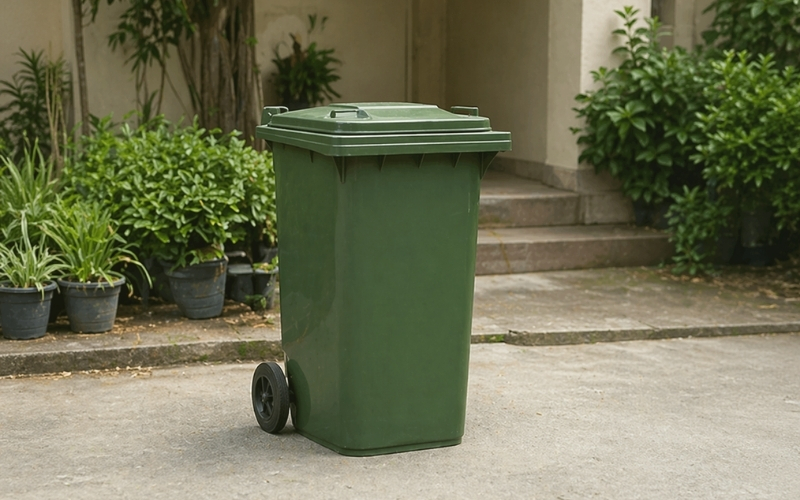
Wasteflex low-volume waste bin solutions featuring 120L and 240L general waste bins for small commercial waste collection needs.

Low Volume

120L and 240L bins
for low-volume waste

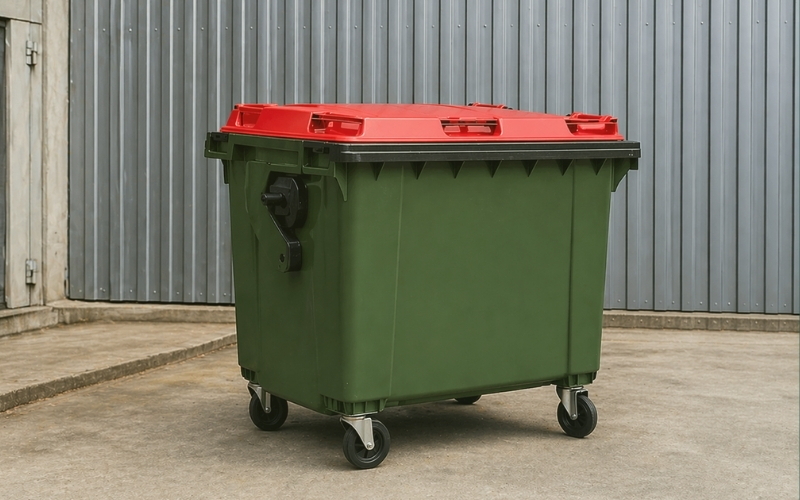
Wasteflex medium-output waste bin solutions featuring 660L and 1100L commercial bins for high-volume general waste collection.

Medium Output

660L and 1100L bins
for medium to high output

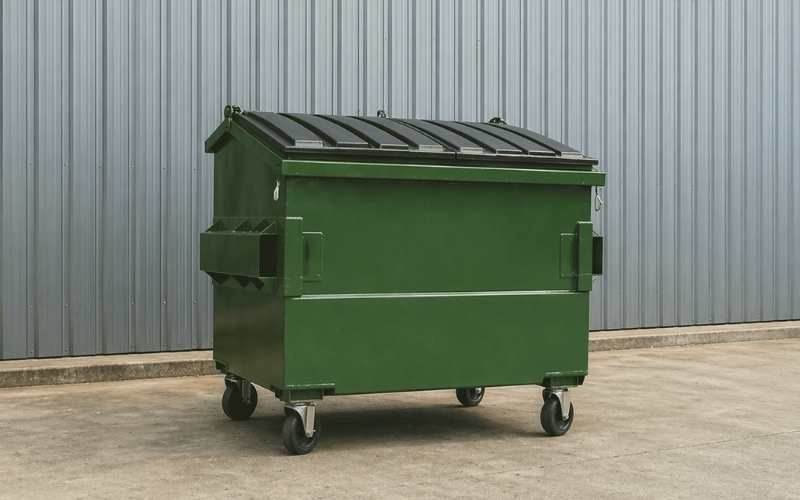
Wasteflex commercial front-lift waste bins supporting regular general waste collection for retail, industrial and commercial business sites.

Commercial

Front-lift bins
for commercial sites with regular waste generation

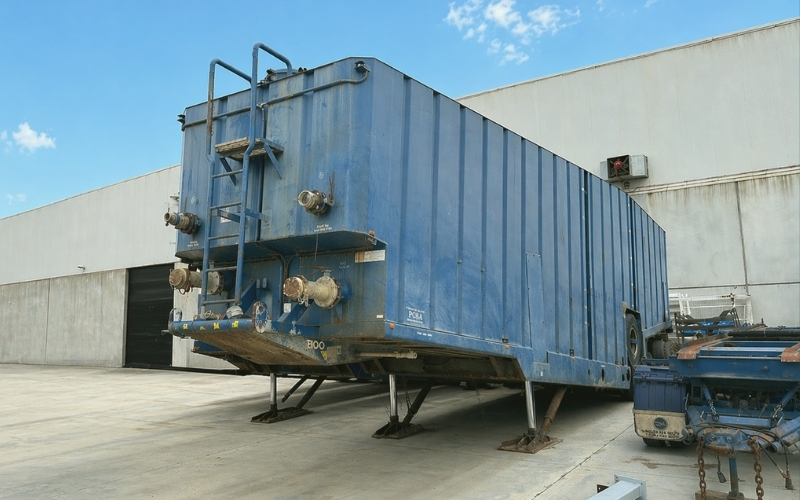
Wasteflex high-volume bulk waste bins supporting large-scale commercial waste collection and industrial waste management operations.

High Volume

Bulk bins
for high-volume operations

Reducing General Waste and Landfill Costs

General waste management should not be treated as a fixed cost. With the right strategy, businesses can reduce general waste volumes and improve overall waste performance. Key strategies include:

  • Improving waste separation at the source
  • Introducing recycling and organics programs
  • Adjusting bin configurations and placement
  • Monitoring waste data to identify inefficiencies

Reducing general waste not only lowers costs but also supports broader sustainability objectives.

Wasteflex waste reduction strategies supporting lower landfill costs, commercial recycling programs and sustainable waste management solutions for businesses.

A Smarter Approach to General Waste Management

Effective general waste management goes beyond collection. It requires ongoing oversight, performance tracking and continuous improvement. WasteFlex provides a structured approach that helps businesses maintain clean and compliant sites, improve efficiency and reduce landfill dependency.

If your organisation is looking to improve general waste collection services or optimise business waste disposal, reviewing your current setup can uncover practical improvements and long-term savings.

Frequently Asked Questions

General waste is the waste that remains after recyclable, recoverable and specialist waste streams have been separated. It typically contains materials that cannot be recycled or processed through another dedicated waste service.  

Common examples can include contaminated packaging, non-recyclable mixed plastics, disposable products and other non-recoverable operational waste.

Most commercial and industrial businesses generate some general waste after recyclable, recoverable and specialist waste streams have been separated. 

This includes offices, retail centres, warehouses, manufacturing facilities, healthcare providers, hospitality venues and other businesses that generate everyday non-recyclable waste.

Businesses can reduce general waste costs by improving waste separation, increasing recycling and recovery opportunities, optimising bin sizes and reviewing collection frequencies. 

Monitoring waste volumes and service patterns can also identify bins that are being over-serviced, underused or regularly overflowing, allowing the waste setup to be adjusted more efficiently.

Common general waste options include 120L, 240L, 660L and 1100L rear-lift mobile bins, as well as 3.0m³, 4.5m³ and 6.0m³ front-lift bins, and larger bulk bins for higher-volume operations. The appropriate option depends on the amount and type of waste generated, available space, site access and collection frequency.

General waste is the disposal stream for non-hazardous materials that are not suitable for an available recycling, recovery or specialist waste service. 

Depending on the site's waste arrangement, this may include contaminated packaging, non-recyclable mixed plastics, disposable products and other residual operational waste. Materials that can be recovered or require specialist handling should continue to be kept separate.

Materials that can be recovered through a dedicated recycling stream, or that require specialist handling, should not be placed in general waste. 

This includes recyclable materials, batteries, e-waste, hazardous waste and any materials that require specialist handling or disposal. Separating these materials correctly can reduce landfill disposal and help prevent safety or contamination issues.

Businesses should choose general waste capacity based on their actual waste volumes and the operational constraints of the site. 

Factors such as how quickly bins fill, available storage and access, servicing requirements and changes in waste generation can all influence the most practical setup. Bin types and sizes can vary between sites and service arrangements, so the configuration should reflect the needs of the individual location.

There is no single collection frequency that suits every business. The right schedule depends on waste volumes, bin capacity, available storage space, site operations and how quickly bins reach capacity. 

Collection frequency should be reviewed when waste volumes or operating conditions change. Regular overflow can indicate under-servicing, while consistently under-filled bins may indicate unnecessary collections.

Yes. WasteFlex manages general waste services across single-site, multi-site and national portfolios through centralised service coordination, contractor management, reporting and account management support. 

Individual sites can still have different bin requirements and servicing frequencies while operating within one managed framework. WasteFlex coordinates services through its provider network across Australia.

TOP