Copyright © 2026 Wasteflex Pty Ltd. All rights reserved.
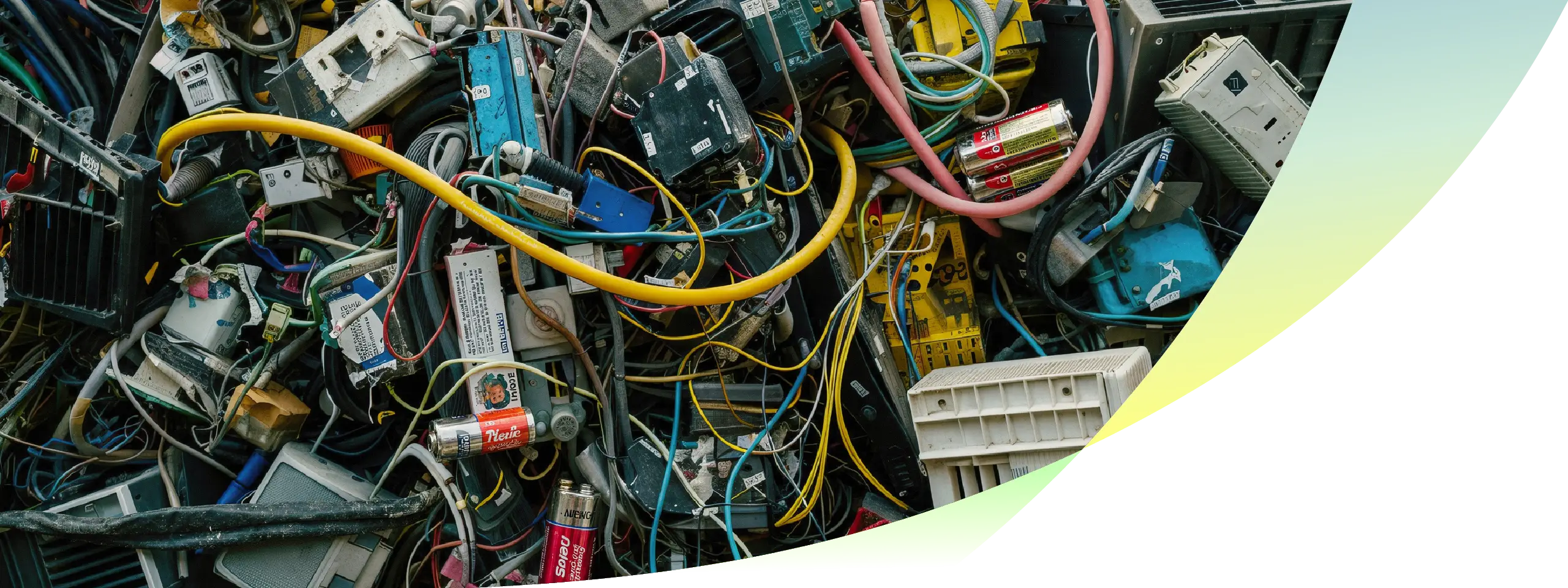
Wasteflex managed e-waste and battery recycling solutions supporting compliant electronic waste collection and safe battery disposal for businesses.

E-Waste & Battery Recycling

Electronic waste and batteries require careful handling due to the materials they contain. Unlike general waste or standard recycling, these items can pose environmental and safety risks if disposed of incorrectly.

E-waste recycling provides a controlled and compliant way to manage electronic devices and battery waste, ensuring valuable materials are recovered and hazardous components are handled safely.

Wasteflex delivers commercial e-waste recycling and battery recycling services across multiple sites, aligning collection and disposal with regulatory requirements, site safety standards and operational needs.

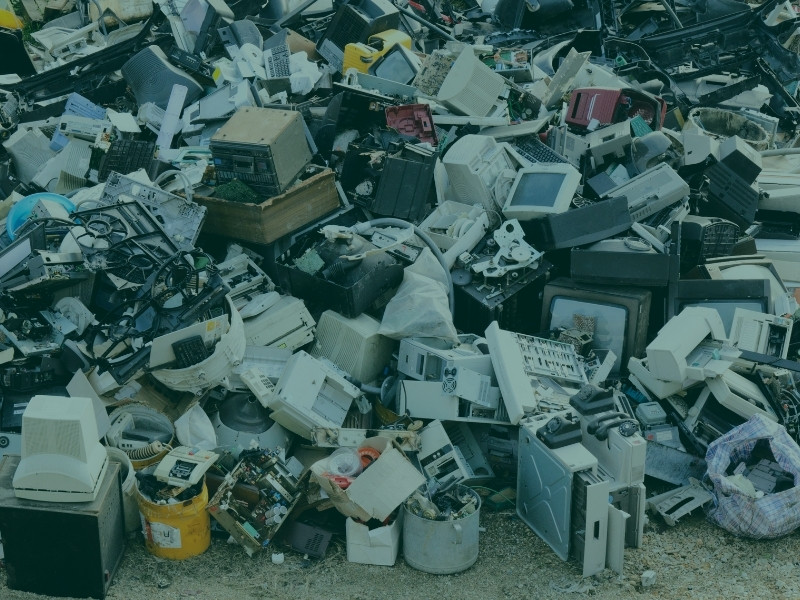
Wasteflex managed e-waste recycling solutions coordinating electronic waste collection and recovery services for businesses.

What is Considered E-Waste?

E-waste includes any electrical or electronic equipment that is no longer in use or has reached the end of its lifecycle.

Common examples include:

  • Computers, laptops and monitors
  • Printers and office equipment
  • Servers and IT infrastructure
  • Mobile phones and tablets
  • Electrical devices and accessories

Many of these items contain valuable materials that can be recovered through proper e-waste recycling processes.

Battery Waste and Why It Matters

Battery waste requires dedicated handling due to the risks associated with storage, transport and disposal.

Common battery types include:

  • Lithium-ion batteries (used in devices and equipment)
  • Alkaline batteries
  • Rechargeable batteries
  • Industrial and backup power batteries

Improper disposal can lead to leakage, fire risk and environmental contamination. Safe battery disposal ensures these risks are managed effectively.

Why E-Waste Cannot Go to Landfill

Electronic waste contains materials that are not suitable for landfill disposal, including hazardous substances and recoverable components.

Separating e-waste allows businesses to:

  • Reduce environmental impact
  • Recover valuable materials
  • Meet regulatory and compliance requirements
  • Reduce risk associated with improper disposal
  • Improve sustainability performance

With growing regulation, e-waste recycling Australia-wide is becoming increasingly important for businesses.
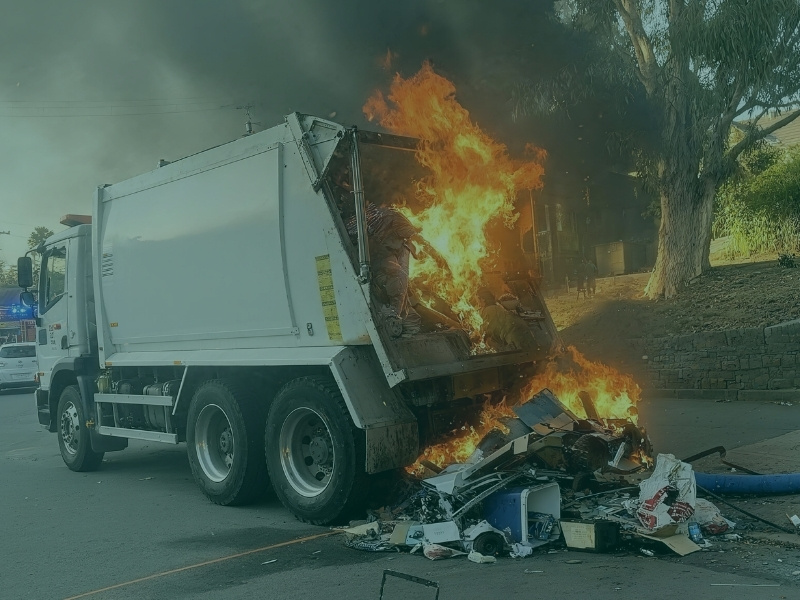

Wasteflex managed e-waste recycling programs helping businesses prevent electronic waste from entering landfill and reducing battery fire risks.

Challenges in Managing
E-Waste and Batteries

Wasteflex centralised contractor management icon representing coordinated recycling services and streamlined waste operations.

Compliance and Regulatory Requirements

Businesses must ensure electronic waste disposal meets environmental regulations and industry standards.

Wasteflex consistent recycling service delivery icon representing standardised waste management across multiple business locations.

Data Security Risks

Devices such as computers and servers may contain sensitive information if not handled correctly.

Wasteflex consolidated recycling reporting icon representing waste tracking, sustainability reporting and resource recovery insights.

Safe Storage and Handling

Batteries and electronic equipment must be stored safely prior to collection to reduce risk.

Wasteflex single point of accountability icon representing managed waste services and centralised operational support.

Irregular Waste Generation

Unlike other waste streams, e-waste is generated less frequently but often in larger volumes when equipment is upgraded or replaced.

Wasteflex provides commercial waste management solutions that help businesses control rising landfill disposal costs, improve recycling performance and reduce general waste volumes

Lack of Clear Disposal Processes

Many organisations do not have structured processes for managing e-waste, leading to inconsistent handling.

How Wasteflex Supports E-Waste and Battery Recycling 

E-waste requires a controlled and structured approach beyond standard recycling. Wasteflex supports this through:

Coordinating E-Waste Recycling Services

Electronic waste is collected and processed through approved recycling pathways, ensuring compliance and safe handling.

Wasteflex cost control and waste reporting icon representing consolidated waste analytics, recycling visibility and commercial waste management insights.

Battery Recycling Programs

Battery recycling services are implemented with appropriate storage, handling and transport procedures.

Wasteflex e-waste and battery recycling services supporting electronic waste recovery, safe disposal and sustainable recycling solutions for businesses.

Secure Handling and Disposal

Processes are designed to manage both environmental and operational risks associated with e-waste

Wasteflex managed e-waste handling and disposal solutions supporting compliant electronic waste management and risk reduction for businesses.

Flexible Collection Scheduling

Services can be arranged based on business needs, whether for periodic collections or large equipment upgrades.

Wasteflex optimised bin infrastructure icon representing commercial waste collection efficiency, right-sized bins and sustainable waste management solutions.

Support for Multi-Site Operations

Multi-site e-waste recycling programs provide consistent service delivery across all locations.

Wasteflex multi-site general waste management icon representing centralised waste coordination, consistent service delivery and national waste management solutions.

Industries That Generate E-Waste

E-waste is generated across a wide range of industries, particularly where electronic equipment is used regularly.

Computers, monitors and office equipment are regularly upgraded and replaced.

Schools and universities manage large volumes of IT equipment across campuses.

Facilities use electronic devices and equipment that require controlled disposal.

Equipment, control systems and electronic components are replaced over time.

Point-of-sale systems and electronic devices contribute to ongoing e-waste generation.

Managing E-Waste Responsibly

E-waste recycling should be approached with both environmental and operational considerations in mind.Businesses can improve their approach by:

  • Separating e-waste from general waste streams
  • Storing batteries and electronic items safely
  • Scheduling regular or planned collections
  • Ensuring data security processes are in place
  • Working with compliant recycling providers

A structured approach reduces risk and ensures materials are handled responsibly.

Wasteflex optimising waste operations to improve cost efficiency, ESG outcomes, and sustainability performance across a national portfolio.

Supporting Safer and More Sustainable Disposal

E-waste and battery recycling is not just about disposal — it’s about managing risk, protecting data and ensuring materials are processed correctly.
By implementing structured e-waste recycling and battery recycling services, businesses can reduce environmental impact, maintain compliance and improve operational control.
If your organisation generates electronic or battery waste, reviewing your current setup can identify opportunities to improve safety, efficiency and consistency.

TOP