Copyright © 2026 Wasteflex Pty Ltd. All rights reserved.

Co-Mingled Recycling 

Simplifying Recycling for Everyday Business Operations 

Recycling systems need to be practical to be effective. In many workplaces, expecting staff or customers to correctly separate multiple materials isn’t always realistic. This is where co-mingled recycling provides a simpler and more efficient solution. 

Co-mingled recycling allows businesses to collect multiple recyclable materials in a single stream, reducing complexity and improving participation. Instead of managing separate bins, materials are placed into one bin and later sorted at a processing facility.  

Wasteflex supports commingled recycling services across multi-site operations, helping businesses improve consistency, reduce contamination and integrate recycling into their broader waste strategy. 

Understanding Co-Mingled Recycling

A common question for businesses is what is co-mingled recycling and how it works in practice. 

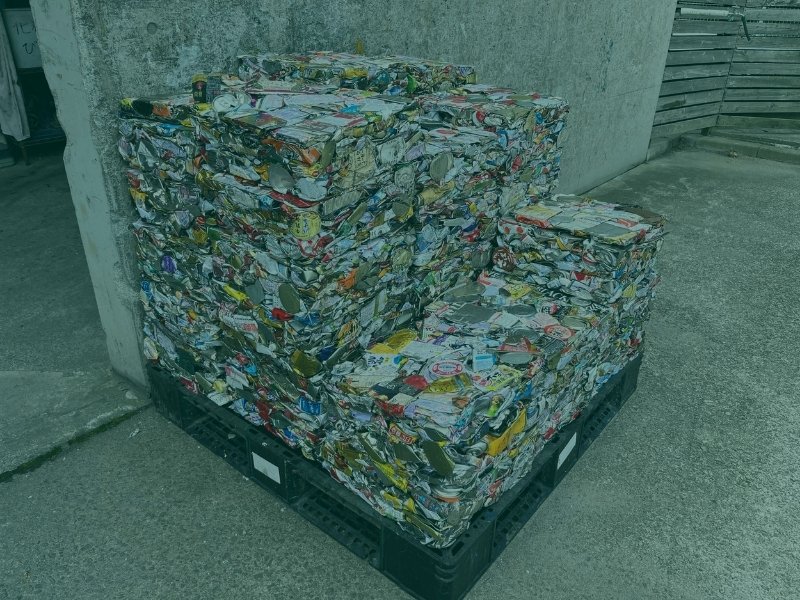
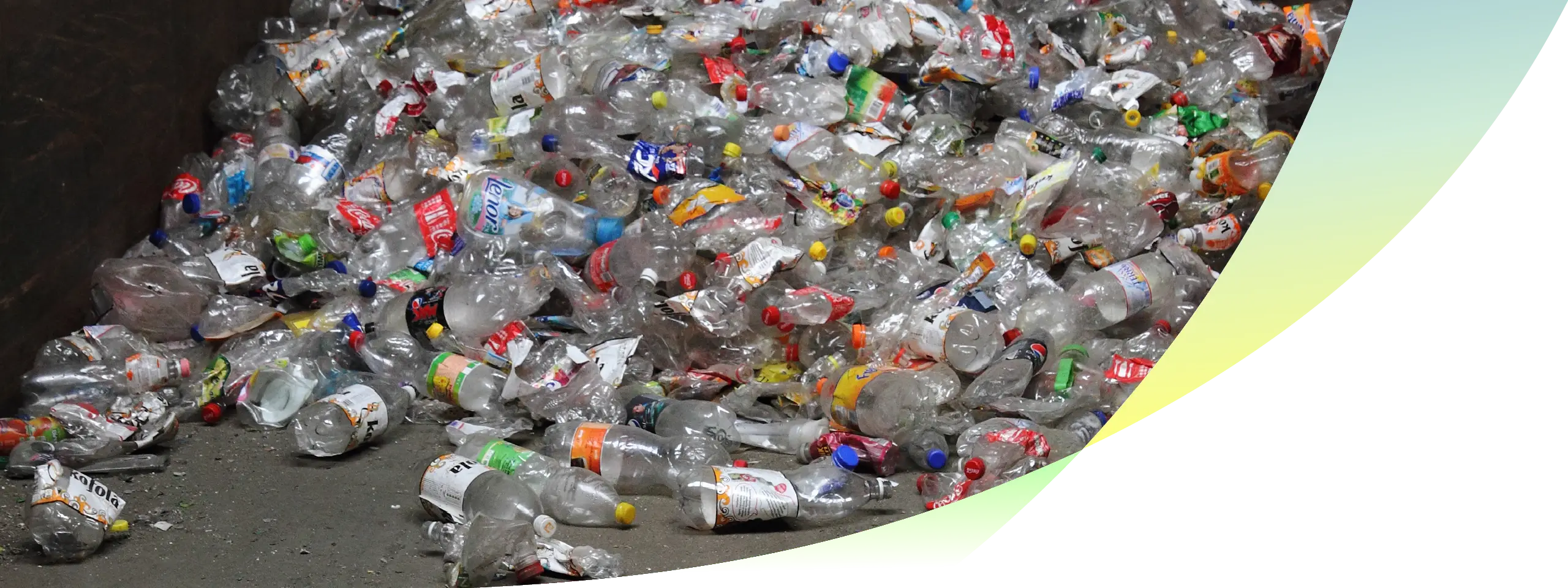
Co-mingled recycling refers to a mixed recycling collection system where materials such as plastics, glass and aluminium are combined into one stream and separated at a materials recovery facility. 

Typical materials accepted in co-mingled recycling include: 

  • Plastic bottles and containers  
  • Glass bottles and jars  
  • Aluminium cans and metal packaging  

In some cases, paper products may also be included, although high-volume cardboard is often better managed separately. 

Using co-mingled recycling bins simplifies disposal decisions and increases the likelihood that recyclable materials are diverted from landfill. 
Where Co-Mingled Recycling is Most Effective

Co-mingled recycling is widely used across environments where simplicity and accessibility are key. In these environments, business recycling services need to be easy to use. A mixed recycling collection system removes barriers and supports consistent behaviour.This recycling stream is commonly implemented in:

Stores generate large volumes of packaging, bottles and containers that are well suited to co-mingled recycling systems.

Schools and universities benefit from simple recycling systems that encourage participation across students and staff.

Non-clinical recyclable materials such as packaging and containers can be separated into co-mingled recycling streams alongside general waste.

Hospitality and Venues Restaurants, cafes and event venues produce glass, cans and plastics that can be efficiently managed through mixed recycling collection.

Workplaces generate consistent volumes of recyclable materials that can be easily diverted using co-mingled recycling bins.

Challenges That Impact Recycling Performance

While co-mingled recycling is convenient, it requires the right systems to perform effectively.

Contamination

Incorrect items in co-mingled recycling bins can contaminate entire loads, increasing disposal costs and reducing recovery rates.

Lack of Clear Systems

Poor bin placement or unclear signage leads to incorrect disposal and reduced effectiveness of business recycling services.

Misaligned Collection Frequencies

Busy sites may generate large volumes of recyclables. If collection schedules are not aligned with actual usage, bins can overflow or require unnecessary additional services.

Limited Data and Visibility

Without data on volumes and contamination, it is difficult to improve recycling performance over time.

How Wasteflex Strengthens Co-Mingled Recycling Programs 

Effective co-mingled recycling requires more than just providing bins. It needs structure, monitoring and ongoing optimisation. Wasteflex supports organisations by improving both the structure and performance of their recycling systems.

Clear Bin Setup

Co-mingled recycling bins are positioned in logical, high-use areas with clear signage to guide correct disposal.

Collection Services Aligned to Demand

Commercial recycling collection schedules are adjusted based on actual usage, ensuring reliable service without over-servicing.

Contamination Reduction Strategies

Practical strategies are introduced to reduce recycling contamination, including bin design, placement and user guidance.

Integration with Other Recycling Streams

Mixed recycling collection is reviewed alongside cardboard, organics and other streams to ensure materials are directed to the most effective pathway.

Support for Multi-Site Operations

For organisations operating across multiple locations, co-mingled recycling programs are standardised to deliver consistent outcomes.

Improving Recycling Outcomes Across Your Business

Co-mingled recycling is often the foundation of a broader recycling strategy. However, relying on a single stream for all recyclable materials can limit overall performance.To improve results, businesses should:

  • Separate high-volume materials such as cardboard/li>
  • Introduce organics recycling where applicable
  • Review bin placement and accessibility
  • Monitor contamination levels and adjust systems

By taking a more structured approach, businesses can reduce landfill reliance and improve the effectiveness of their recycling collection Australia-wide.

Wasteflex optimising waste operations to improve cost efficiency, ESG outcomes, and sustainability performance across a national portfolio.

Making Recycling Work in Practice

Co-mingled recycling is most effective when it is simple for users and supported by well-designed systems behind the scenes.
When implemented correctly, it helps businesses increase participation, reduce contamination and improve overall waste performance — without adding complexity.
If your organisation is looking to improve commingled recycling services or optimise your current setup, a review can identify practical changes that deliver immediate results.

TOP