Copyright © 2026 Wasteflex Pty Ltd. All rights reserved.

Food Manufacturing Waste Management

Waste Management Built Around Food Production

Food manufacturing facilities operate in controlled, high-volume environments where hygiene, uptime and regulatory compliance are critical. Effective food manufacturing waste management must align with production schedules, food safety standards and environmental reporting requirements. 

Within this environment, food manufacturing waste management goes beyond collection. It plays a key role in protecting production continuity, managing organic by-products efficiently and ensuring all waste streams meet manufacturing waste compliance requirements. 

Wasteflex partners with food manufacturers to deliver waste management for food manufacturers across processing plants, packaging facilities and distribution centres. Through a centralised managed services model, we consolidate contractor management and reporting into one framework, improving operational visibility, supporting cost control and ensuring consistent production facility waste management across every site. 

Waste Streams in Food Processing Environments

Food production generates a complex mix of waste types that require specialised handling. 

organic waste compost icon for food and organic waste recycling services

Organic By-Products

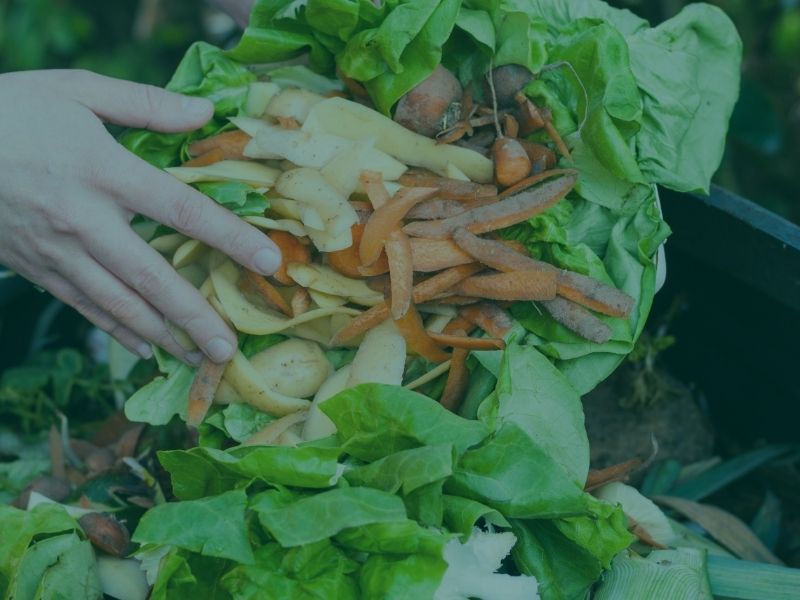
Rejected batches, preparation offcuts, expired stock and plate waste from on-site facilities. Organics recycling food manufacturing programs are essential to prevent landfill reliance and manage odour risk.

Paper & Cardboard Recycling - Secure Business Facilities - Reduce Landfill Waste

Packaging Materials

Cardboard, plastic films, shrink wrap and pallet materials generated from raw ingredient deliveries and outbound shipments.

Liquid Residues and Sludge

Certain processes create by-products requiring controlled food processing waste disposal through licensed facilities.

General Industrial Waste

Contaminated materials and non-recyclable production residues.

Recyclable Streams

Metal containers, cardboard and rigid plastics suitable for industrial food waste recycling.

Effective food industry waste solutions depend on segregation at source, suitable containment and scheduled removal aligned with production cycles.

Operational Pressures Facing Food Manufacturers

Production Continuity

Overflowing bins or missed collections can disrupt loading docks and storage zones. Production facility waste management must be precisely scheduled to prevent operational bottlenecks.

Hygiene and Biosecurity

Organic waste must be stored and removed in accordance with food safety requirements. Poorly managed systems increase pest risk and regulatory exposure.

Escalating Disposal Costs

High organic volumes can significantly inflate landfill expenses. Without structured organics recycling food manufacturing systems, disposal costs become unpredictable.

Multi-Site Complexity

National brands often operate multiple facilities across states. Multi-site food manufacturing waste management requires consistent service levels and consolidated oversight.

Compliance and Reporting Obligations

Manufacturers must demonstrate manufacturing waste compliance and provide accurate data for audits, environmental reporting and customer supply chain requirements.

How Wasteflex Supports Food Manufacturers

In food production environments, reliability and oversight are critical. Wasteflex integrates waste coordination into the broader operational framework of the facility. 

National Coordination Across Sites

Multi-site operators benefit from consolidated reporting and consistent contractor standards across every production facility.

Organic Waste Recovery Programs

Industrial food waste recycling initiatives divert significant volumes from landfill and support sustainability commitments.

Infrastructure Optimisation

Compactors, bins and collection frequencies are aligned to real production data, preventing overflow while reducing unnecessary servicing.

Production-Aligned Scheduling

Collections are timed around manufacturing shifts to minimise disruption and maintain safe access to critical areas.

Transparent Compliance Oversight

Manufacturing waste compliance is supported through licensed transporters, documented disposal pathways and digital reporting systems.

Packaging and Cardboard Recovery

Food industry waste solutions include structured recovery programs for cardboard and plastic packaging generated at scale.

Sustainability & Environmental Accountability in Food Manufacturing

Sustainability performance has become central to supplier agreements, investor expectations and brand reputation. Food manufacturing ESG reporting requires clear waste data, diversion tracking and measurable improvement. 

Wasteflex enables food manufacturers to: 

  • Monitor diversion rates by waste stream 
  • Track organic waste recovery volumes 
  • Consolidate national reporting across facilities 
  • Identify waste-to-resource opportunities 

By improving visibility and consistency, manufacturers strengthen both operational efficiency and environmental accountability. 

A Smarter Model for Food Industry Waste Solutions

Food manufacturing waste management must integrate seamlessly into production systems. It should protect hygiene standards, maintain compliance and support cost control without creating additional administrative burden. 

Through centralised oversight, optimised infrastructure and structured organic recovery programs, manufacturers can stabilise waste costs, reduce landfill exposure and strengthen reporting accuracy. 

If your organisation operates processing plants or large-scale production facilities, a detailed review of your current waste framework can uncover efficiencies, compliance improvements and measurable sustainability gains. 

TOP