
Paper & Cardboard Recycling
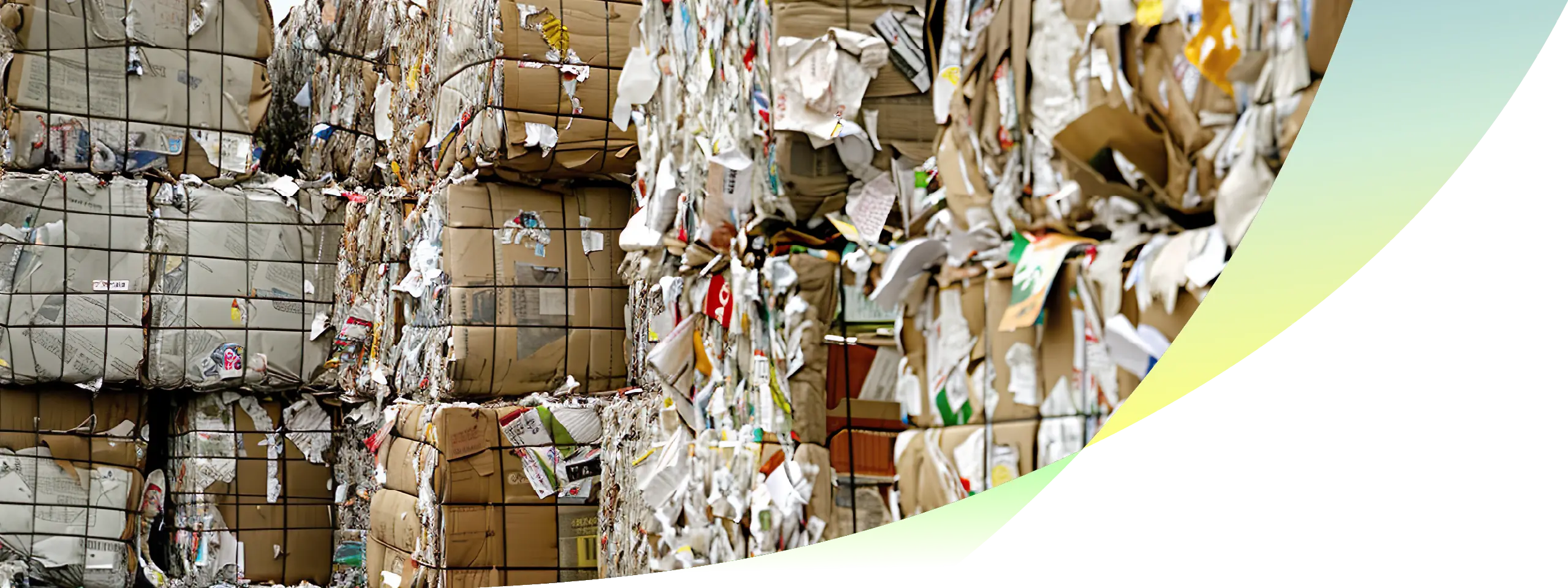
Paper and cardboard are among the most common waste streams across commercial and industrial environments. From packaging and deliveries to office documents, these materials can quickly build up without the right systems in place.
Effective paper and cardboard recycling helps businesses reduce landfill volumes, lower disposal costs and improve overall waste performance.
WasteFlex delivers paper and cardboard recycling services across Australia, helping businesses separate fibre-based materials from general waste to improve recycling performance and resource recovery. By keeping materials clean, aligning collections to demand and coordinating services across sites, businesses can achieve better recovery outcomes and improved efficiency.
What Qualifies as Paper and Cardboard Waste?
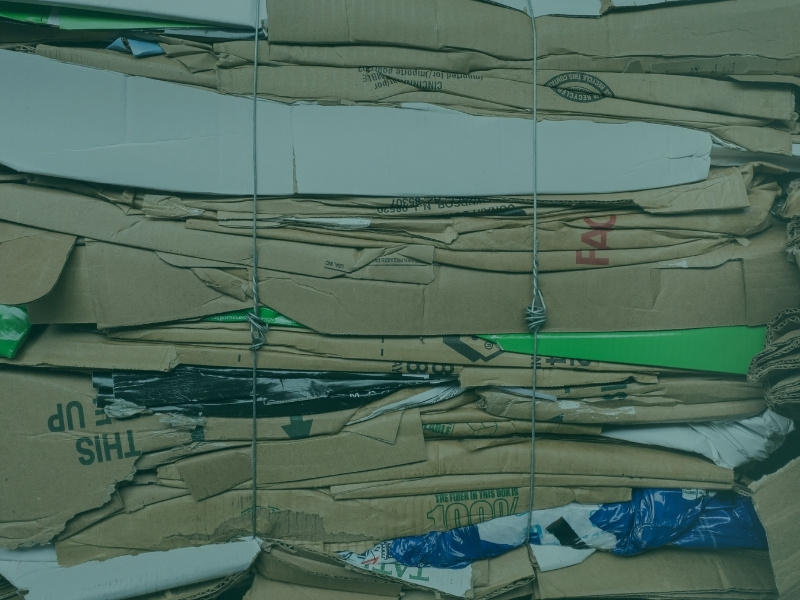
Paper and cardboard recycling focuses on fibre-based materials that can be processed and reused.
Common recyclable materials include:
- Cardboard boxes and packaging
- Office paper and printed materials
- Paperboard and cartons
- Newspapers and magazines
- Clean paper packaging
Materials that are heavily contaminated with food, liquids or non-recyclable substances may not be suitable for recycling and should be separated to avoid impacting recovery rates.
Maintaining clean paper and cardboard streams is essential to ensure materials can be successfully reprocessed.
Why Separate Paper and Cardboard from Commingled Recycling
While some paper products can be included in commingled recycling, high-volume materials are often better managed through dedicated recycling streams.
Separating these materials allows businesses to:
- Improve recycling quality and resource recovery rates
- Reduce contamination from mixed waste streams
- Lower disposal costs by diverting large volumes from landfill
- Create more efficient collection systems for bulky recyclable materials
For businesses generating consistent packaging waste, dedicated cardboard recycling services provide a more effective and sustainable solution than standard mixed recycling systems.