
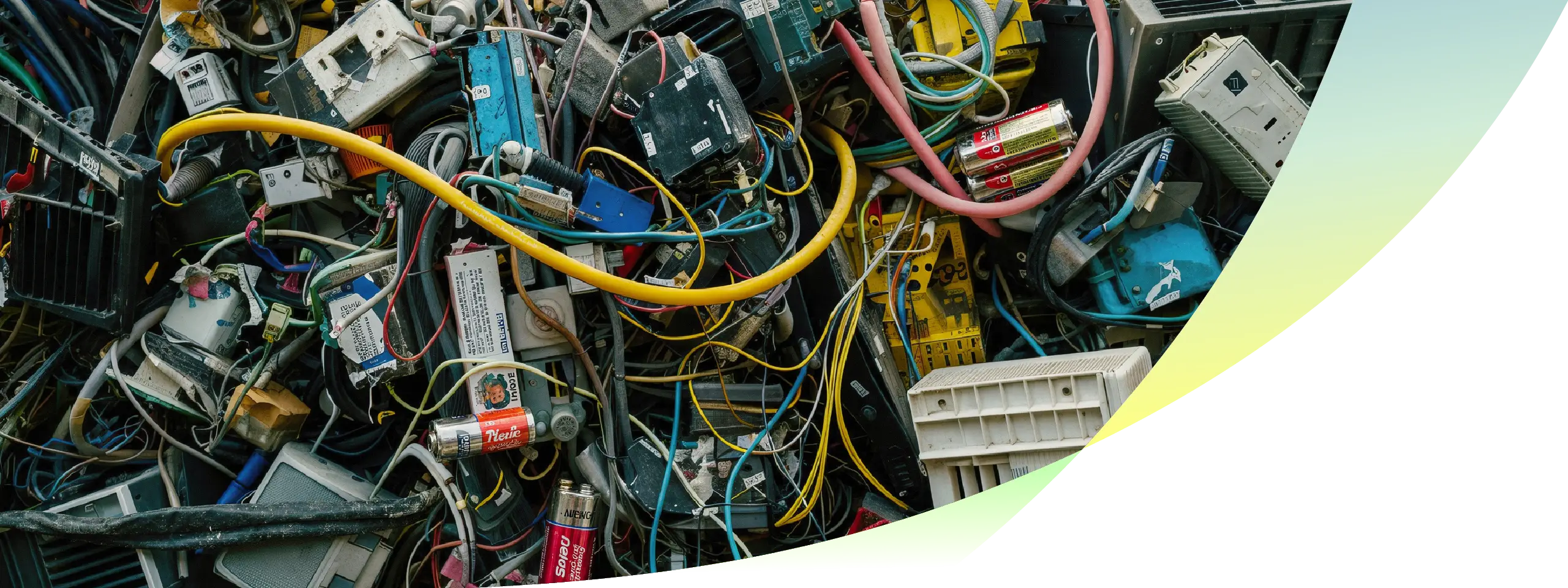
E-Waste & Battery Recycling
Electronic waste and batteries require careful handling due to the materials they contain. Unlike general waste or standard recycling, these items can pose environmental and safety risks if disposed of incorrectly.
E-waste recycling provides a controlled and compliant way to manage electronic devices and battery waste, ensuring valuable materials are recovered and hazardous components are handled safely.
WasteFlex delivers e-waste and battery recycling services across Australia, providing businesses with a consistent national solution supported by approved recycling and resource recovery partners.
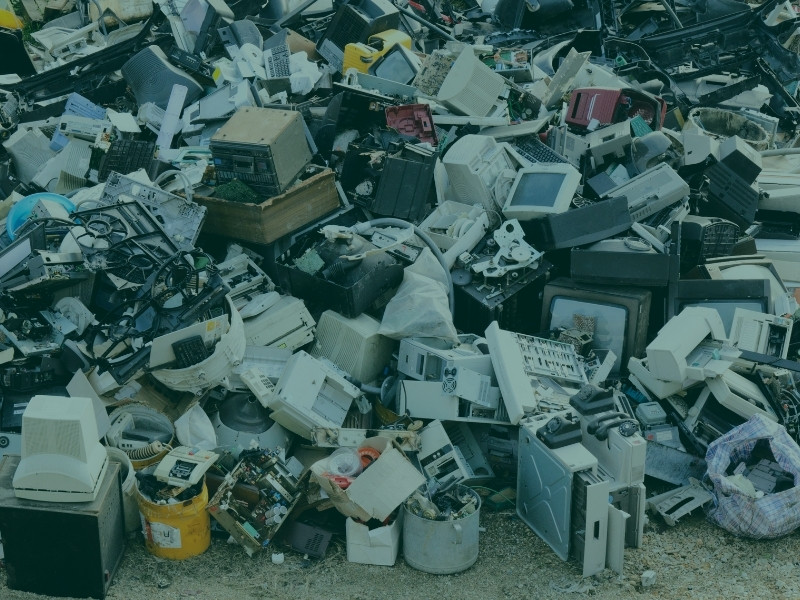
What is Considered E-Waste?
E-waste includes any electrical or electronic equipment that is no longer in use or has reached the end of its lifecycle.
Common examples include:
- Computers, laptops and monitors
- Printers and office equipment
- Servers and IT infrastructure
- Mobile phones and tablets
- Electrical devices and accessories
Many of these items contain valuable materials that can be recovered through proper e-waste recycling processes.
Battery Waste and Why It Matters
Battery waste requires dedicated handling due to the risks associated with storage, transport and disposal.
Common battery types include:
- Lithium-ion batteries (used in devices and equipment)
- Alkaline batteries
- Rechargeable batteries
- Industrial and backup power batteries
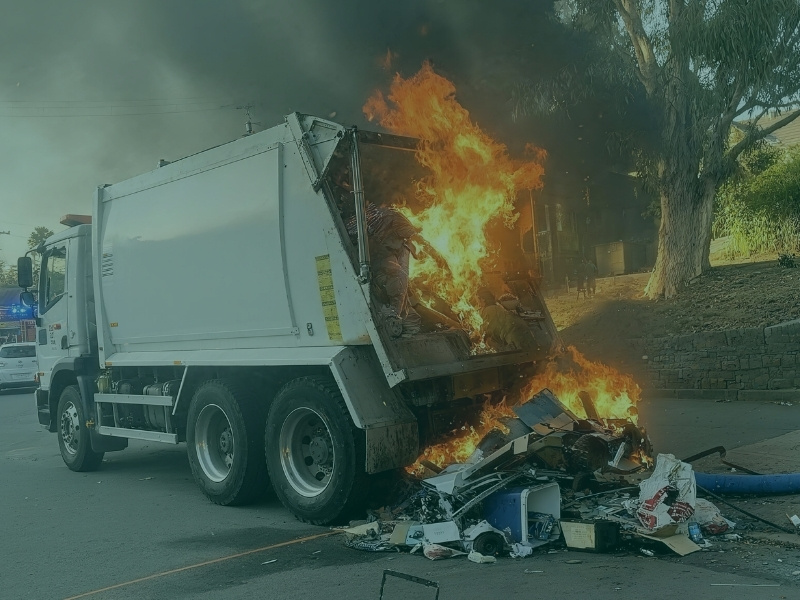
Improper disposal can lead to leakage, fire risk and environmental contamination. Safe battery disposal ensures these risks are managed effectively.
Why E-Waste & Battery Recycling Matters
Electronic waste and batteries are among the fastest-growing waste streams in Australia. Many electronic devices contain valuable recoverable materials, while batteries often contain hazardous components that require specialised handling. Incorrect disposal can create environmental risks, fire hazards and compliance issues. A structured e-waste and battery recycling program helps organisations reduce landfill, recover resources and demonstrate responsible environmental management.
Separating e-waste allows businesses to:
- Reduce environmental impact
- Recover valuable materials
- Meet regulatory and compliance requirements
- Reduce risk associated with improper disposal
- Improve sustainability performance
With growing regulation, e-waste recycling Australia-wide is becoming increasingly important for businesses.