
Liquid & Prescribed Waste
Liquid and prescribed waste streams require a higher level of control than standard waste services. These materials often involve environmental, safety and regulatory considerations that must be managed carefully at every stage, from storage through to transport and disposal.
Liquid waste disposal and prescribed waste management are essential for businesses that generate wastewater, oils, chemicals or other regulated materials. Without proper handling, these waste streams can pose risks to both the environment and workplace safety.
WasteFlex helps businesses that generate ongoing liquid and prescribed waste streams by coordinating compliant services across multiple sites, providing central oversight, consistent service delivery and stronger control over risk and reporting.
What Is Liquid and Prescribed Waste?
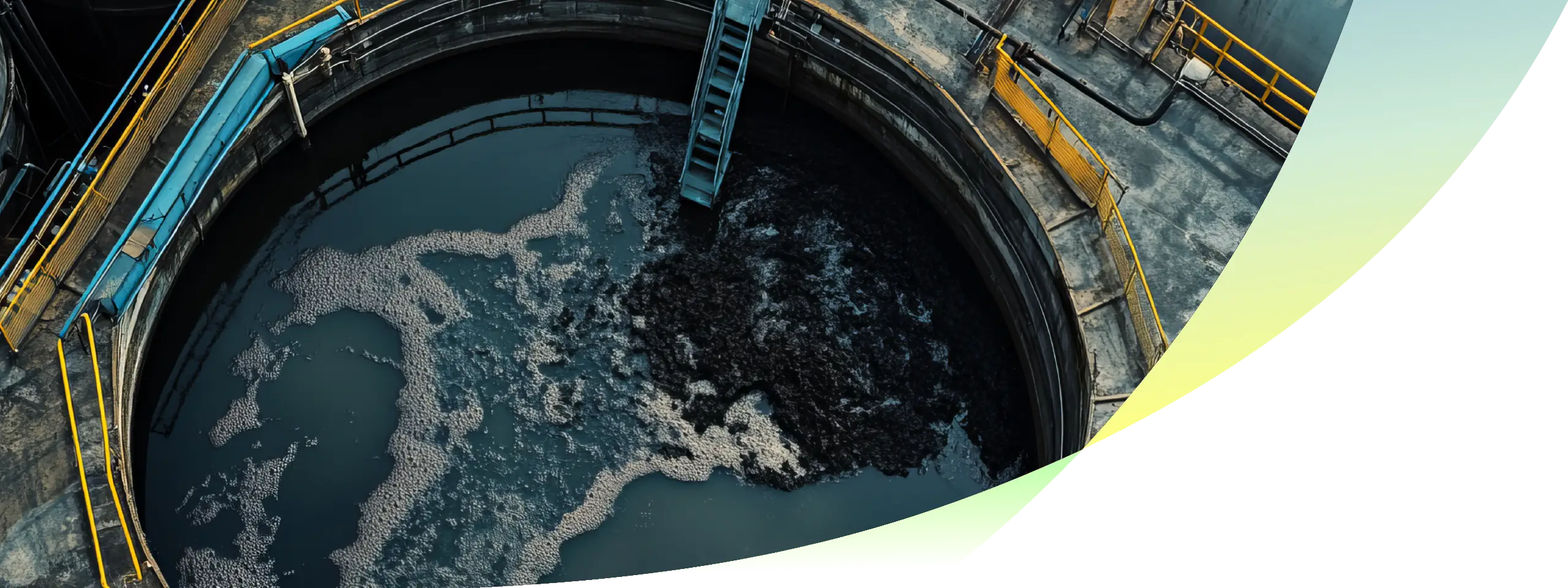
Liquid waste includes any waste material in liquid form that requires controlled collection and disposal.
Common examples include:
- Wastewater and process water
- Oils and lubricants
- Grease trap waste from commercial kitchens
- Washdown water from industrial operations
Prescribed waste refers to materials that are regulated due to their potential environmental or health impact.
These may include:
- Chemicals and solvents
- Contaminated liquids
- Hazardous industrial by-products
- Certain medical or regulated waste streams
Handling these materials requires licensed transport and approved disposal pathways.
Why These Waste Streams Require Specialised Handling
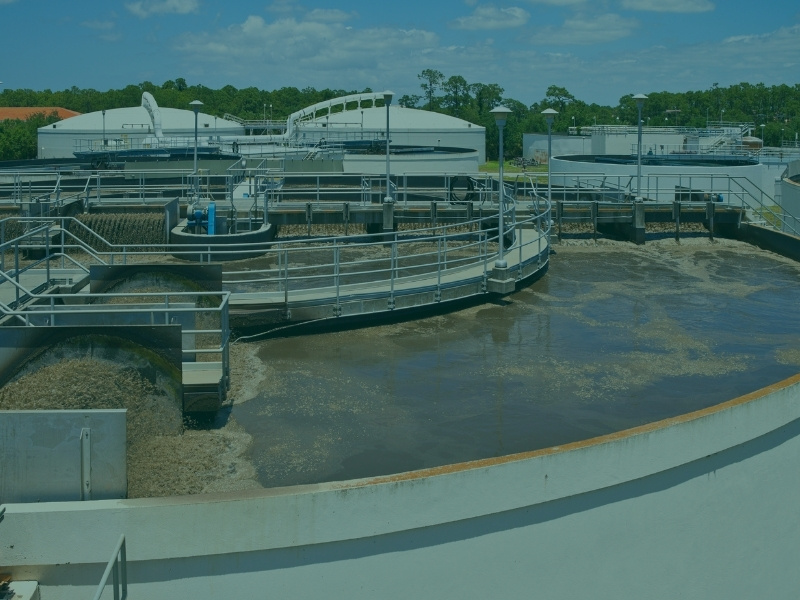
Liquid and prescribed waste cannot be managed through general waste or standard recycling systems. They require strict processes to ensure safe handling and compliance.
A structured approach allows businesses to:
- Meet environmental and regulatory obligations
- Reduce risk of spills, leaks or contamination
- Maintain safe working environments
- Ensure proper tracking and documentation
- Avoid penalties associated with non-compliance
Prescribed waste management is particularly important for industries with strict compliance requirements.