Copyright © 2026 WasteFlex Pty Ltd. All rights reserved.
Wasteflex coordinated sanitary, hygiene and pest control management solutions supporting cleaner commercial facilities and workplace hygiene standards.

Sanitary, Hygiene & Pest Control Services

Clean, well-maintained facilities are essential across any business environment. Washrooms, shared spaces and back-of-house areas all require consistent hygiene management to ensure comfort, safety and compliance.

Sanitary, hygiene and pest control services go beyond basic cleaning. They support the safe management of waste, maintain hygiene standards and reduce risks that can impact operations, staff wellbeing and customer experience.

WasteFlex coordinates hygiene services commercial environments rely on, alongside integrated pest control services, helping businesses maintain high standards across Australia.
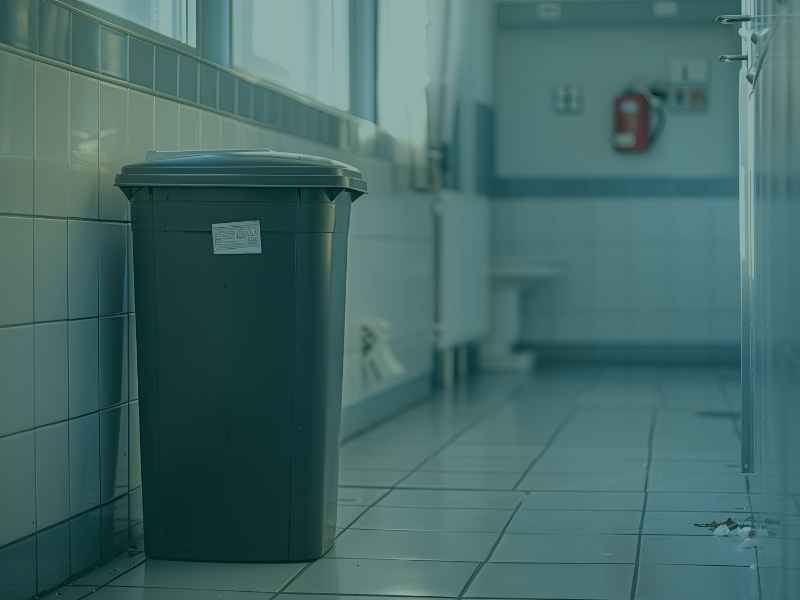
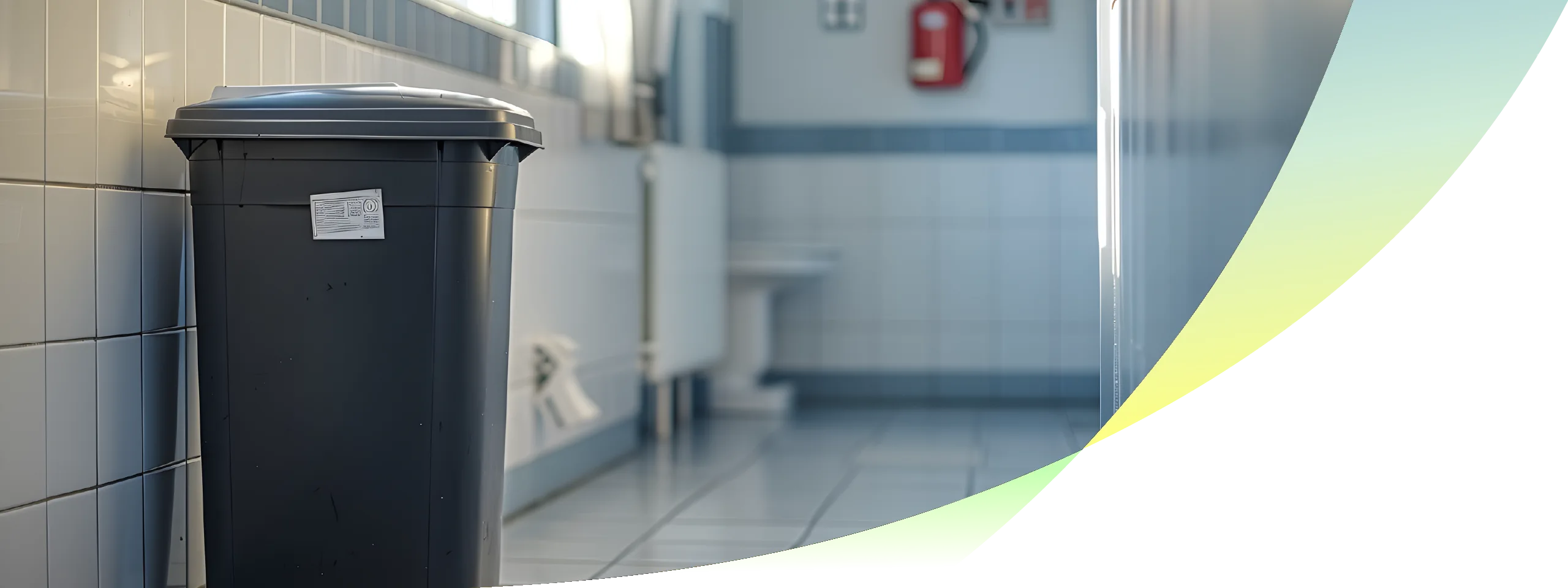
Wasteflex coordinated hygiene, sanitary waste and pest control management solutions supporting cleaner washrooms and safer commercial facilities.

What Is Included in Hygiene and Pest Control Services?

Sanitary and hygiene services focus on managing waste and maintaining cleanliness in washrooms and hygiene-sensitive areas.

This typically includes:

  • Sanitary waste disposal from feminine hygiene products
  • Sanitary bin services and regular collection
  • Washroom waste management
  • Hygiene unit servicing and maintenance
  • Disposal of hygiene-related waste

In addition, pest control services support site hygiene by preventing and managing pest risks, including:

  • Rodent control
  • Insect and flying pest management
  • Preventative site inspections
  • Ongoing monitoring and treatment programs

Why Hygiene and Pest Control Matter

Poorly managed facilities can impact both staff wellbeing and customer perception. Hygiene and pest control are not just about presentation — they are critical to maintaining safe and compliant environments.

A structured service approach helps businesses to:

  • Maintain clean and hygienic facilities
  • Prevent odour and sanitation issues
  • Reduce pest risks and infestations
  • Ensure compliance with workplace standards
  • Improve overall site experience

Consistent sanitary waste disposal and proactive pest management play an important role in day-to-day operations.


Common Challenges in Hygiene and Pest Control

Wasteflex centralised contractor management icon representing coordinated waste management services and streamlined waste operations.

Inconsistent servicing

Irregular sanitary bin collection can lead to overflow, odour issues and poor user experience.

Wasteflex consistent waste management service delivery icon representing standardised waste management across multiple business locations.

Compliance requirements

Both hygiene and pest control services must meet strict regulatory and safety standards.

Wasteflex consolidated reporting icon representing waste tracking, sustainability reporting and resource recovery insights.

Pest risks in high-traffic environments

Food handling areas, waste zones and shared facilities can attract pests if not properly managed.

Wasteflex single point of accountability icon representing managed waste services and centralised operational support.

Multi-Site Consistency

Maintaining standards across multiple locations can be difficult without central coordination.

Wasteflex waste tracking and reporting icon representing service visibility across managed waste programs.

User behaviour

Incorrect disposal and poor hygiene practices can create operational and compliance issues.

How WasteFlex Supports Hygiene and Pest Control Services

Sanitary, hygiene and pest control services require consistency, reliability and attention to detail. WasteFlex supports businesses by:

Coordinating sanitary bin services

Regular sanitary bin collection to ensure safe and compliant disposal.

Wasteflex collection frequency alignment icon representing scheduled waste collection services, overflow prevention and efficient commercial waste management.

Providing reliable hygiene servicing

Maintaining clean, functional and well-managed facilities.

Wasteflex cost control and waste reporting icon representing consolidated waste analytics, recycling visibility and commercial waste management insights.

Integrating pest control services

Preventative and reactive pest management aligned to site risks.

Wasteflex coordinated pest control management solutions supporting preventative pest monitoring and responsive site hygiene programs.

Aligning services to site usage

Adjusting frequency based on foot traffic and operational demand.

Wasteflex optimised bin infrastructure icon representing commercial waste collection efficiency, right-sized bins and sustainable waste management solutions.

Supporting multi-site operations

Consistent multi-site hygiene services and pest control across locations.

Wasteflex multi-site icon representing centralised coordination, consistent disposal and national service management.

Industries that Require Hygiene and Pest Control

These services are essential across environments where facilities are used regularly by staff or customers:

Supporting Better Facility Standards

Maintaining hygiene and pest control is an ongoing process that requires reliable service and clear systems.

Businesses can improve outcomes by:

  • Scheduling regular sanitary bin services
  • Ensuring appropriate facilities are in place
  • Implementing preventative pest control programs
  • Monitoring usage and adjusting service frequency
  • Maintaining consistent standards across all locations
Wasteflex optimising waste operations to improve cost efficiency, ESG outcomes, and sustainability performance across a national portfolio.

A More Complete Approach to Facility Management

Hygiene and pest control should operate seamlessly in the background, supporting daily operations without disruption.
By combining washroom hygiene services, sanitary waste disposal and pest control under one coordinated model, businesses can maintain cleaner, safer and more compliant environments.
If your organisation manages multiple sites or high-traffic facilities, reviewing your current setup can help improve consistency, reduce risk and strengthen overall site standards.

Frequently Asked Questions

These services can include sanitary bin services, washroom hygiene services, washroom consumables and ongoing pest prevention, monitoring and control. 

Pest-management arrangements may include preventative inspections and responses to issues involving rodents, insects or flying pests. The exact combination of services should reflect how the site is used and the risks present in different areas of the facility.

Workplace toilets should provide an appropriate and hygienic means of disposing of sanitary items. Sanitary bins are the standard way of providing this in workplace washrooms. 

The number, placement and servicing of bins should reflect the facilities and people using the site, as workplace requirements and applicable guidance can vary by jurisdiction.

There is no single servicing frequency that suits every workplace. The appropriate schedule depends on factors such as staff and visitor numbers, washroom usage, the number of facilities and how quickly individual units reach capacity. 

Service frequency should be reviewed over time rather than treated as fixed. WasteFlex can coordinate servicing around site usage and adjust arrangements where operational demand changes.

Overflow, recurring odour issues, units regularly reaching capacity before service or consistently low usage can indicate that the current schedule should be reviewed. 

Different washrooms within the same organisation can also experience very different levels of use. Reviewing actual usage helps align servicing more closely with site demand instead of applying the same frequency everywhere.

Commercial pest-control frequency depends on the site's risk profile rather than one standard schedule. 

Factors such as the type of business, food and waste activity, building conditions, previous pest issues, foot traffic and monitoring results can all affect how often a site needs attention. A preventative program should be reviewed as site conditions or pest activity change.

Preventative pest management can help identify and address risks before they develop into larger infestations. 

Regular monitoring, inspections and appropriate preventative measures can identify pest activity, entry points or changing site conditions earlier. Reactive treatment still has an important role when an issue occurs, but it is generally stronger when supported by an ongoing prevention and monitoring program.

Pest activity should be reported and assessed as soon as it is identified rather than waiting until the next scheduled service. 

A response may involve inspecting the affected area, identifying the type and extent of the problem and reviewing whether the existing pest-management arrangement remains suitable. WasteFlex can coordinate the required response through its service-provider network and review servicing where site risks have changed.

Yes. Sites within the same organisation do not necessarily need identical servicing schedules. 

A high-traffic customer-facing location may require different sanitary or pest-management arrangements from a smaller office or lower-use facility. WasteFlex can coordinate site-specific service requirements within a broader multi-site program so that each location receives an appropriate level of servicing.

Consistency starts with establishing clear service requirements while still accounting for differences in site usage, facility layout and pest risk. 

Central coordination can help align service expectations, review recurring issues and adjust arrangements where individual locations are not performing as expected. WasteFlex supports multi-site organisations through centralised service coordination, contractor management, reporting and ongoing service reviews, helping maintain greater consistency across locations while accommodating site-specific requirements.

TOP